
Can EECP Help with Fatigue? Improving Energy Through Better Circulation
Fatigue is one of those words that can mean almost anything. For one person, fatigue means they wake up tired no matter how much they sleep. For another, it means their legs feel heavy halfway through the day. Someone else may describe it as brain fog, poor stamina, slow recovery, or the feeling that their body just does not have the same “drive” it used to have. That is why fatigue deserves some respect. It is not a diagnosis. It is a signal.
Sometimes fatigue comes from poor sleep. Sometimes it comes from anemia, thyroid disease, depression, medication side effects, chronic inflammation, hormonal changes, blood sugar swings, poor nutrition, deconditioning, heart disease, or nervous system dysregulation. Sometimes it comes from several of those things at once.
But there is another category that often gets overlooked. Sometimes fatigue may not simply be an energy-production problem. Sometimes it may be an energy-delivery problem. That is where circulation enters the conversation.
At OK Theta & Wellness in Oklahoma City, we are interested in fatigue from several angles: nervous system regulation, sleep quality, stress recovery, tissue repair, metabolic support, and blood flow. EECP, or enhanced external counterpulsation, belongs especially to that blood-flow conversation. It is not a stimulant. It is not caffeine. It is not a quick energy hack.
EECP is a noninvasive circulation therapy. And when fatigue overlaps with poor stamina, reduced exercise tolerance, cardiovascular risk, brain fog with exertion, or that hard-to-describe feeling of being “under-circulated,” it becomes a very reasonable topic to explore.
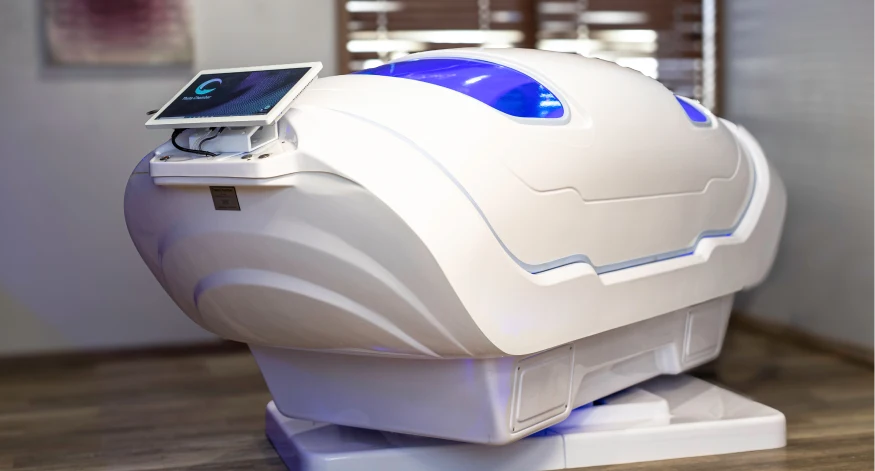
Spin into Wellness in Oklahoma’s First Theta Chamber!
Fatigue Is a Symptom, Not a Diagnosis
One of the most important things to say up front is this: fatigue should not be casually dismissed. New, severe, worsening, or unexplained fatigue deserves a proper medical evaluation, especially if it comes with chest pain, shortness of breath, fainting, palpitations, unexplained weight loss, blood loss, neurologic symptoms, or a sudden change in function.
The body has a limited vocabulary. It can whisper through fatigue long before it shouts through crisis. That said, many people have already been evaluated and are still left with a frustrating gray zone. Their labs may look “normal enough.” Their symptoms may not fit neatly into one diagnosis. They may still be able to work, care for family, and function, but everything takes more effort than it should.
This is where it helps to separate a few related but different ideas:
- Energy is the broad, everyday word people use for their felt sense of capacity
- Fatigue is the subjective feeling of low energy, heaviness, depletion, poor recovery, or reduced function
- Stamina is the ability to sustain effort over time
- Exercise tolerance is how much activity your cardiovascular system can support before symptoms show up
- Recovery capacity is how quickly your body returns to baseline after physical, emotional, or metabolic stress
When people say, “I’m tired,” they may actually mean, “I do not recover like I used to,” or “I cannot sustain activity like I used to,” or “my body runs out of usable capacity too quickly.” That distinction matters. Because if the problem is related to stamina, exertion, oxygen delivery, cardiac workload, or vascular function, then circulation becomes part of the story.

Why Circulation Matters for Energy
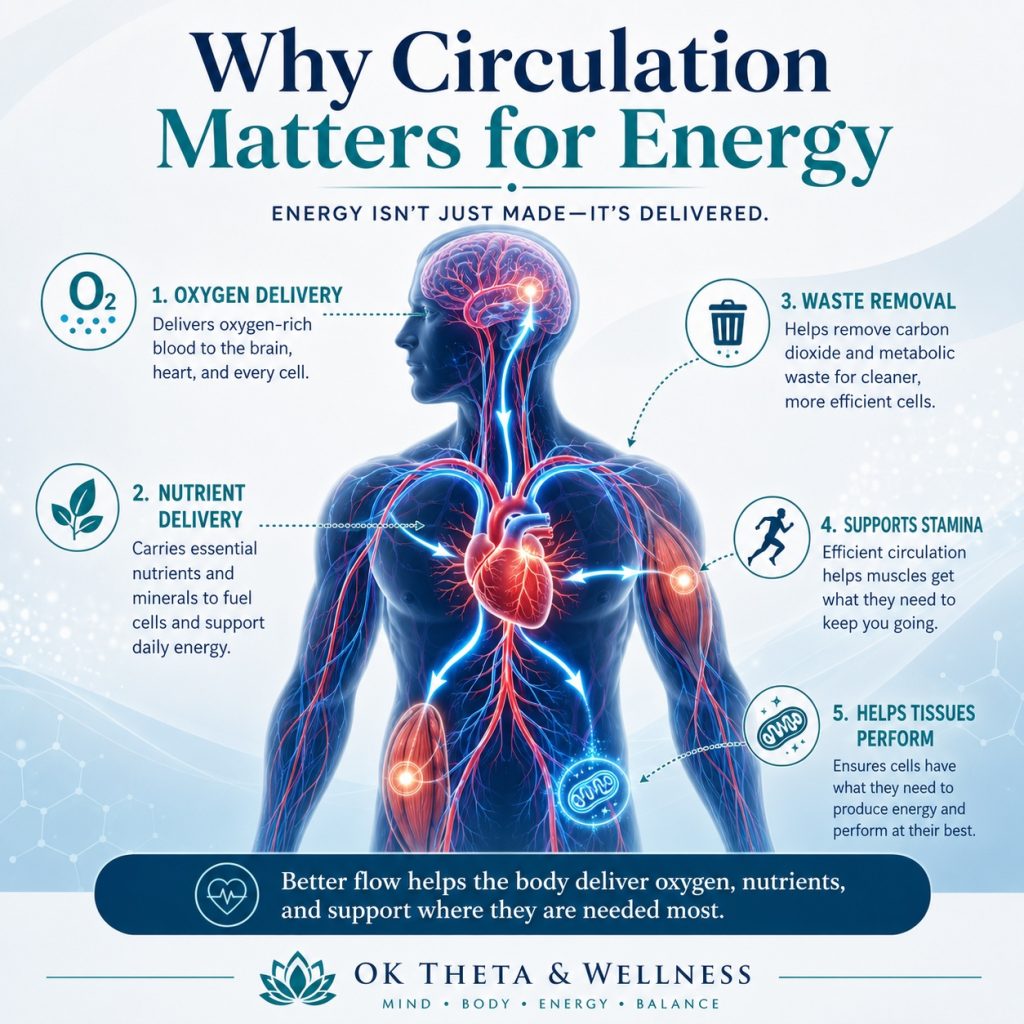
Every cell in the body depends on delivery. The mitochondria may be the little furnaces inside the cell, but circulation is the road system that brings in fuel and carries away waste. If the roads are narrowed, sluggish, inflamed, or poorly regulated, the furnace may not receive what it needs.
Good circulation helps deliver oxygen, glucose, fatty acids, amino acids, electrolytes, hormones, immune signals, and micronutrients. It also helps clear carbon dioxide, metabolic byproducts, inflammatory signals, and heat. When circulation is healthy, blood vessels respond. They widen when tissues need more flow. They constrict when appropriate. They distribute blood intelligently based on demand.
When circulation is impaired, the body may still produce energy, but the delivery system becomes less efficient. That can show up as reduced stamina, exertional fatigue, heaviness, poor recovery, shortness of breath with activity, or cognitive fog that worsens when the body is physically depleted. This is not the only cause of fatigue, but it is one of the major physiologic pathways worth considering.
What EECP Actually Does
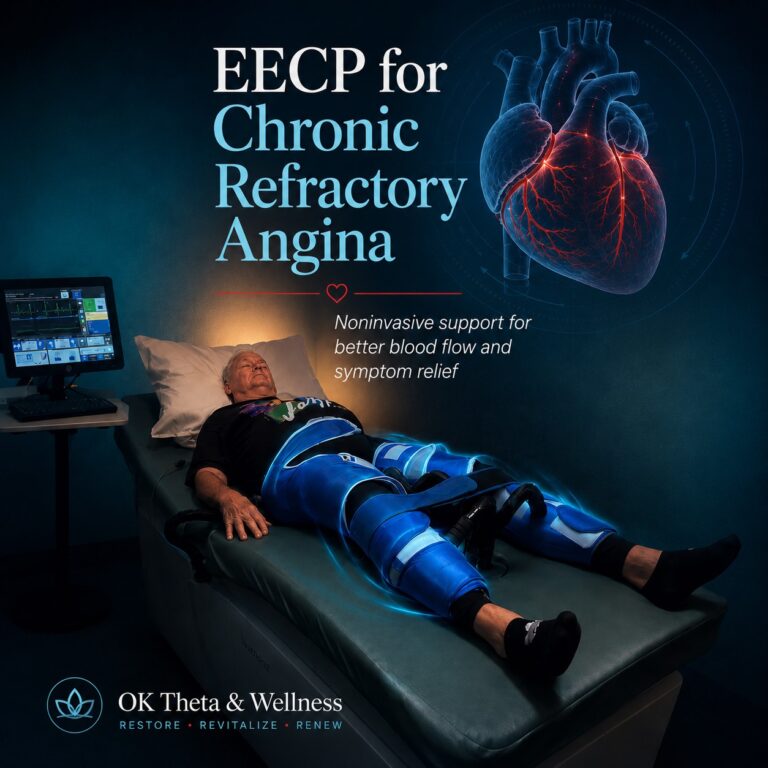
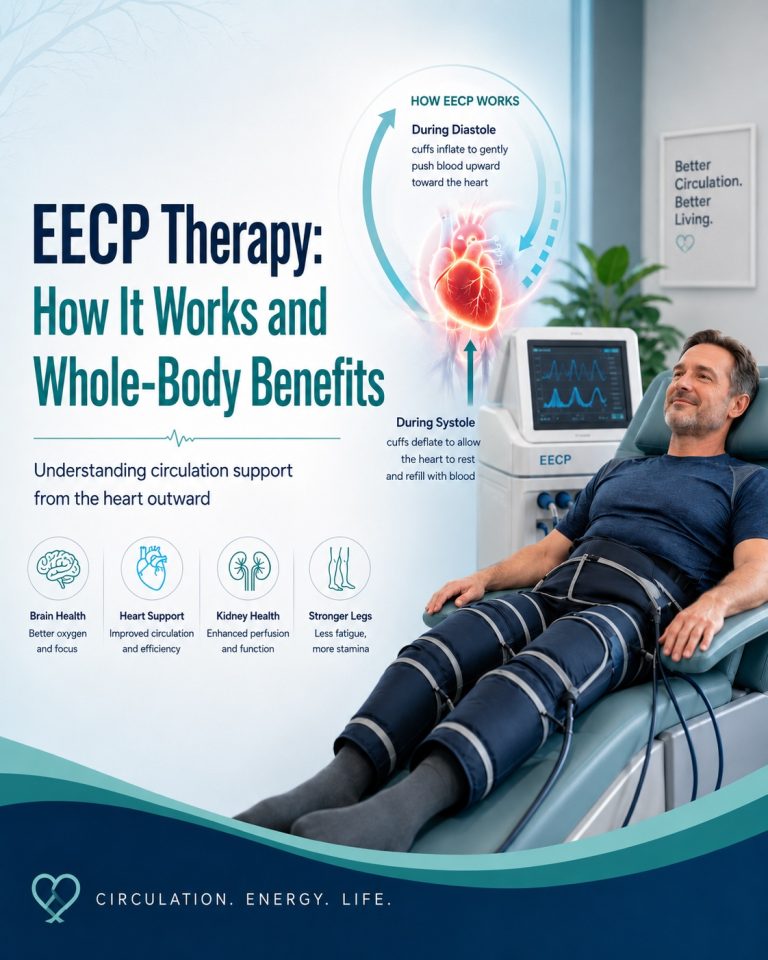
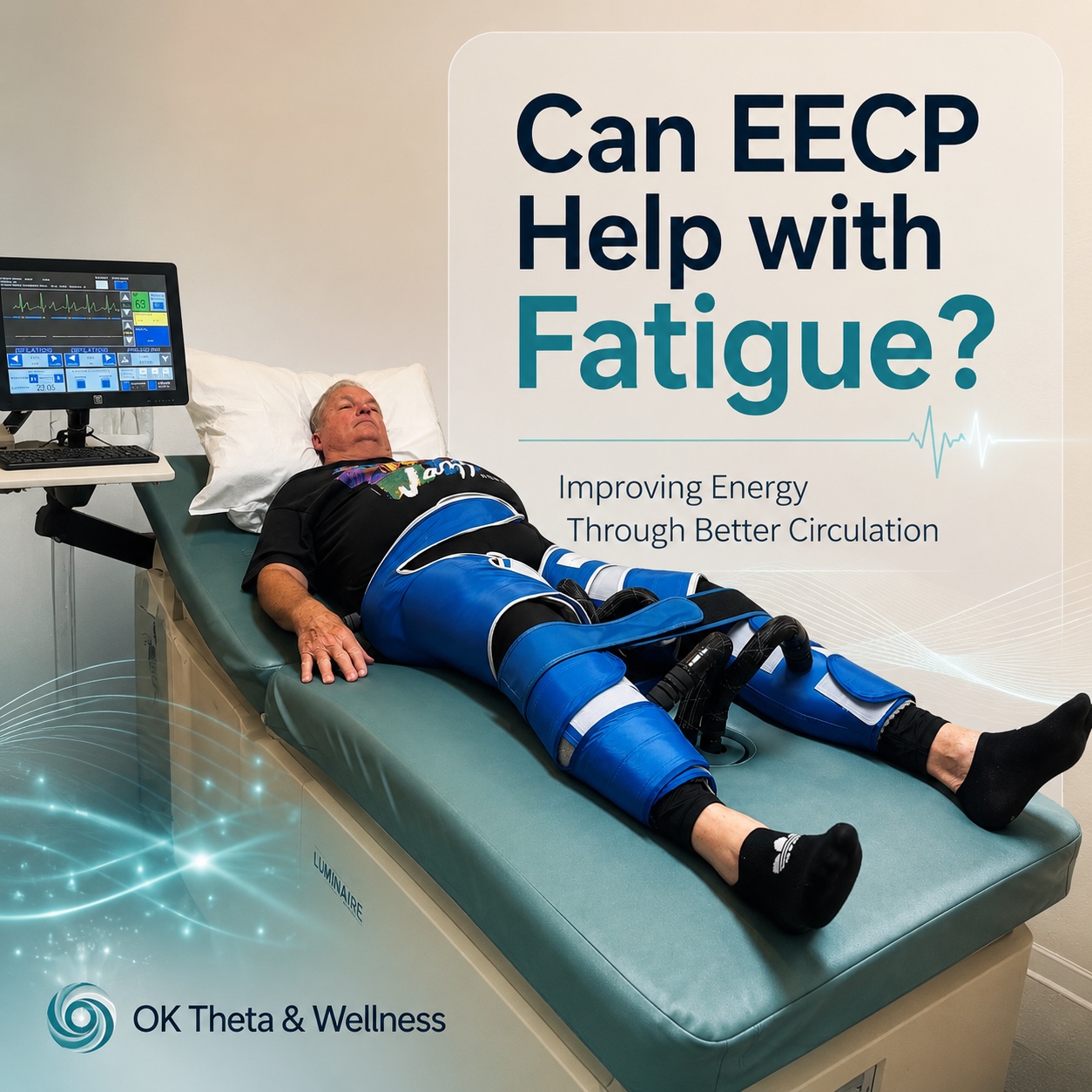
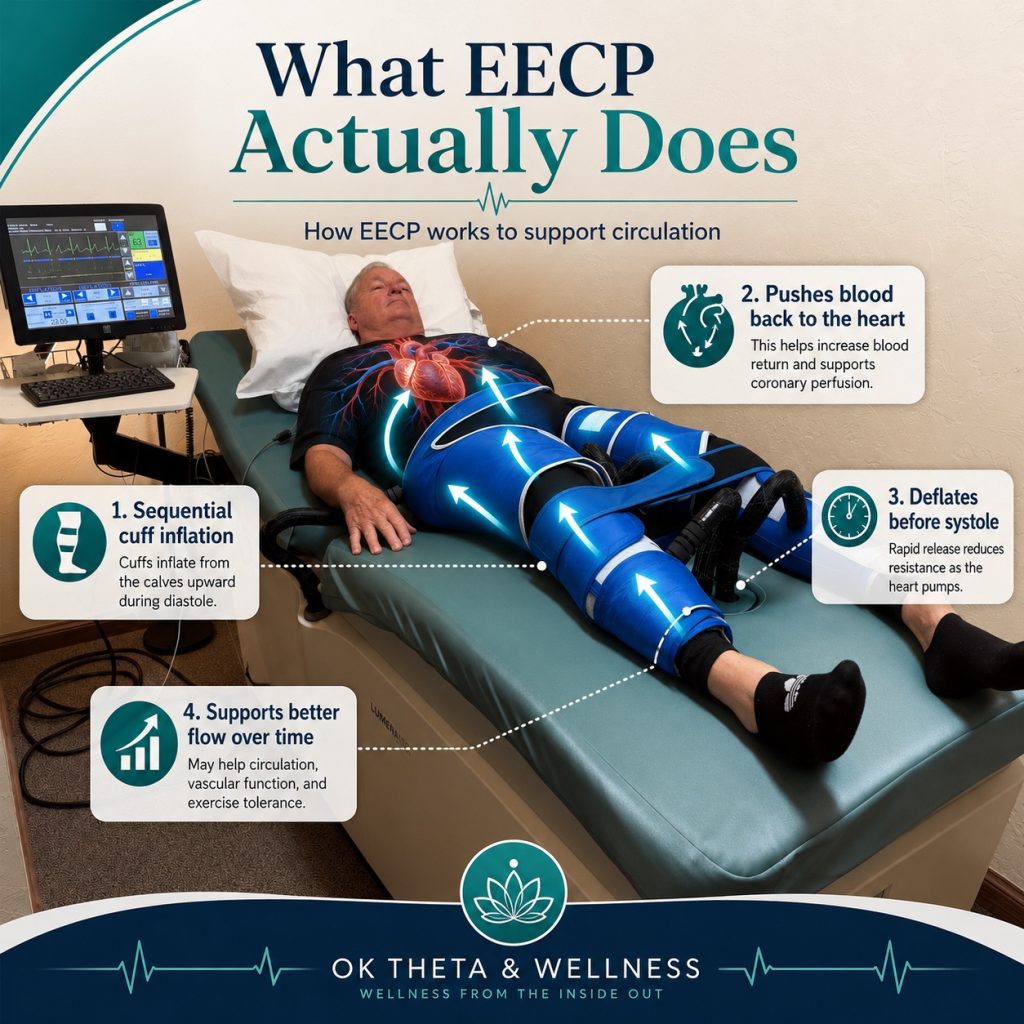
EECP stands for enhanced external counterpulsation. During an EECP session, a person lies on a treatment table while cuffs around the calves, thighs, and hips inflate and deflate in rhythm with the heartbeat. The inflation happens during diastole, the resting and filling phase of the cardiac cycle, helping push blood back toward the heart. The deflation happens just before systole, when the heart contracts, which may reduce the workload against which the heart has to pump.
In simple terms, EECP is designed to support blood flow back toward the heart during the phase when the coronary arteries are being perfused, while also reducing cardiac workload during contraction. CMS describes the expected treatment effects of external counterpulsation in chronic angina as improved myocardial perfusion, reduced cardiac workload, increased time until ischemia, increased exercise tolerance, and reduced number and severity of anginal episodes. (Centers for Medicare & Medicaid Services)
That is the traditional medical lane: chronic stable or refractory angina. But the physiology raises a broader question: if EECP can improve perfusion, vascular function, and exercise tolerance in certain populations, could better circulation also help some people experience better stamina? That is where the fatigue conversation begins.
EECP and the Established Heart Lane
The strongest and most established use of EECP is in people with chronic stable angina, especially when symptoms persist despite standard medical therapy or when other procedures are not good options. This matters because we do not need to pretend EECP is mysterious. It has a defined medical history.
EECP has been studied in chronic stable angina, refractory angina, and heart failure populations. Research cited by CMS includes studies showing improvements in exercise tolerance, reductions in exercise-induced ischemia, improved coronary perfusion, and improved anginal symptoms in patients with coronary artery disease or chronic stable angina. (Centers for Medicare & Medicaid Services)
For a person with angina, fatigue may not just be “low energy.” It may reflect the fact that the heart and vascular system are struggling to meet demand. If treatment improves perfusion and reduces cardiac workload, daily activity may feel less limited. That does not mean every tired person needs EECP. It means that in the right clinical context, energy and circulation are not separate conversations. They are neighbors.
EECP, Exercise Tolerance, and Stamina
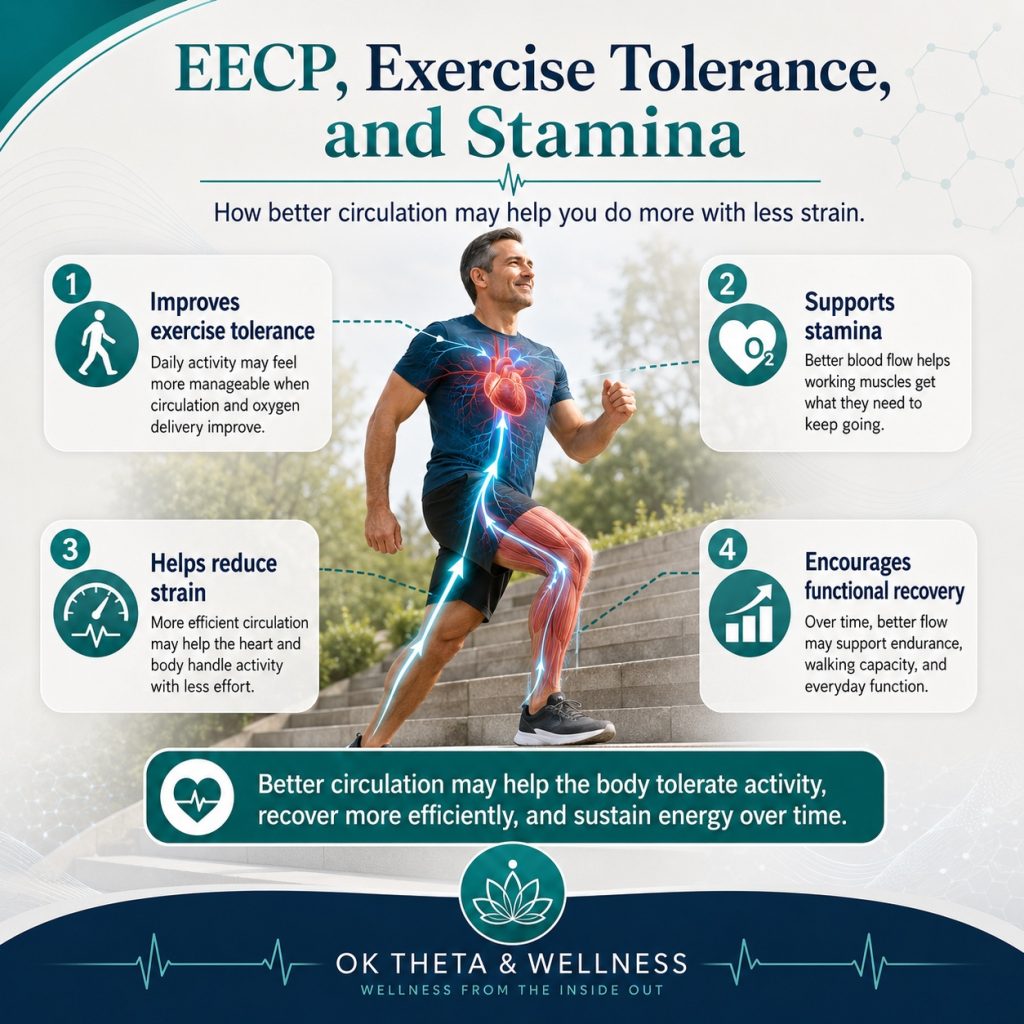
One of the most relevant concepts for fatigue is exercise tolerance. Exercise tolerance is not just about athletic performance. It is about how well the body supports movement, activity, chores, errands, stairs, work, and ordinary life. A major study in patients with mild-to-moderate heart failure, known as the PEECH trial, found that EECP improved exercise tolerance, quality of life, and NYHA functional classification, although it did not significantly increase peak oxygen consumption. (PubMed)
That nuance matters. It suggests EECP may improve how people function and feel in certain contexts, even when every physiologic marker does not move in a perfectly dramatic way. The human body is not a spreadsheet. Sometimes meaningful improvement shows up as “I can do more,” “I recover better,” or “I do not fade as quickly.”
A later meta-analysis looking at chronic heart failure also reported that EECP may improve exercise capacity, though the authors noted uncertainty and variability in some outcomes. (MDPI) That is a grounded way to talk about stamina. Not magic. Not a miracle. Not a universal fix. A circulation therapy with evidence suggesting improved functional capacity in selected cardiovascular populations.
EECP and Emerging Fatigue Research
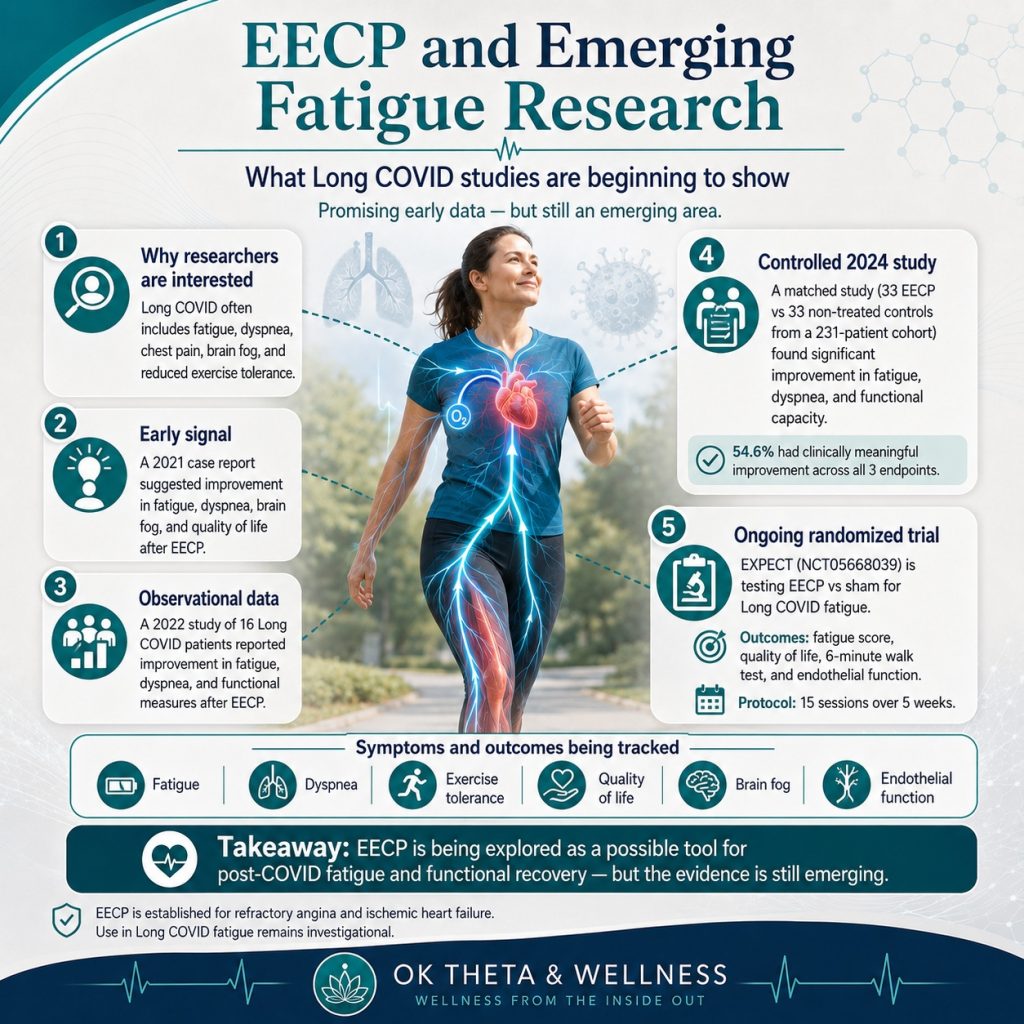
There is also growing interest in EECP for long COVID, especially because many long COVID patients report fatigue, dyspnea, reduced exercise tolerance, brain fog, chest discomfort, and poor recovery.
A 2024 study published in COVID reported improvements in fatigue, dyspnea, and functional capacity in patients with long COVID who underwent EECP compared with a non-treated group. (MDPI) Another long COVID publication reported significant improvement in fatigue, angina, dyspnea, and exercise capacity among patients undergoing EECP. (PMC)
There is also an ongoing randomized controlled trial evaluating EECP for long COVID-related fatigue, with outcomes including fatigue, quality of life, six-minute walk test, and endothelial function. (ClinicalTrials.gov)
Long COVID is complex. Fatigue after viral illness may involve immune dysregulation, autonomic dysfunction, endothelial dysfunction, mitochondrial changes, sleep disturbance, inflammation, and nervous system sensitization. EECP should not be presented as a proven cure. But the research direction is interesting because it points toward a larger idea: in some fatigue states, vascular function and circulation may be part of the bottleneck.
How Better Circulation May Support Energy
So how might EECP help a person feel more energetic? The answer is not that EECP “creates energy.” The body creates energy through cellular metabolism. EECP’s potential role is more about supporting the delivery system.
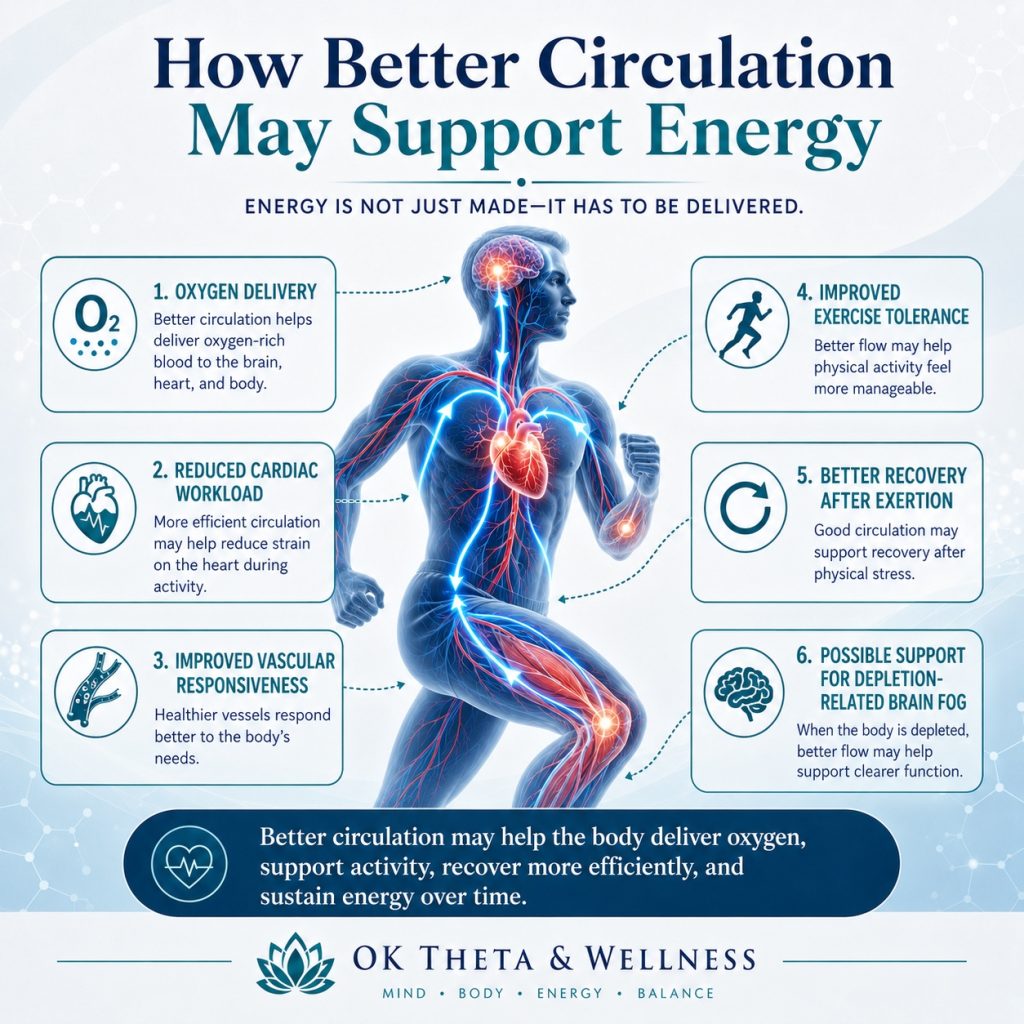
Better circulation may support:
Oxygen delivery.
Tissues need oxygen to perform efficiently. If blood flow improves, oxygen delivery may become less limited during activity.
Reduced cardiac workload.
If the heart is working more efficiently, daily tasks may require less physiologic strain.
Improved vascular responsiveness.
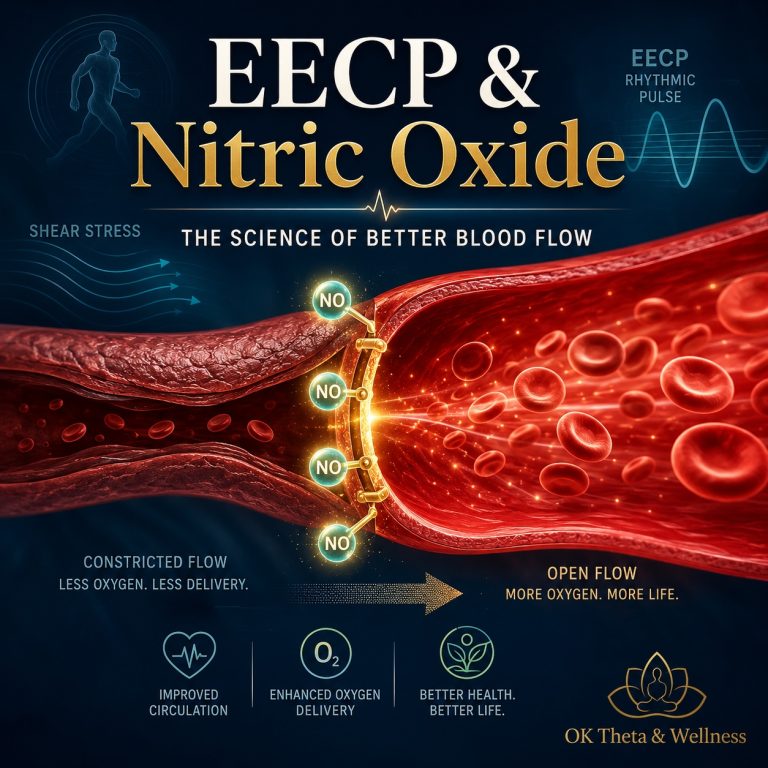
Healthy blood vessels are not passive pipes. They are living tissue. The endothelium responds to shear stress and helps regulate vessel tone, nitric oxide signaling, inflammation, and blood flow distribution.
Improved exercise tolerance.
In several cardiovascular populations, EECP has been associated with improvements in exercise duration or functional capacity. (Centers for Medicare & Medicaid Services)
Better recovery after exertion.
If circulation improves nutrient delivery and waste clearance, recovery may feel less sluggish.
Possible support for brain fog related to depletion.
The brain is highly dependent on blood flow, oxygen delivery, glucose availability, and vascular regulation. Not all brain fog is circulatory, but circulation is certainly part of brain function.
When the vascular system works better, the body may have more usable capacity.
EECP Is Not a Stimulant
This distinction is important. Many people try to solve fatigue by pushing harder. More caffeine. More supplements. More willpower. More noise in an already overloaded system. But stimulation is not the same as restoration. A stimulant borrows against the body’s current capacity. Sometimes that is useful. Sometimes it is necessary. But it does not necessarily improve the underlying terrain.
EECP belongs to a different category. It is not trying to whip the horse. It is trying to improve the road, the blood flow, and the delivery system. EECP does not force energy. It supports circulation, and better circulation may help the body access energy more efficiently. That is honest. That is understandable.
Who Might Be Interested in This Conversation?
EECP may be worth learning about for people who feel limited by stamina, especially when fatigue overlaps with cardiovascular risk factors, poor exercise tolerance, circulation concerns, chronic stable angina, or recovery problems.
Someone might recognize themselves in statements like:
- “I can still do things, but it takes more out of me than it should.”
- “My stamina is not what it used to be.”
- “My brain feels worse when my body is depleted.”
- “I recover slowly after stress or activity.”
- “My legs feel heavy.”
- “I feel like my body is under-circulated.”
- “I want to support my heart and vascular system in a noninvasive way.”
These symptoms do not automatically mean EECP is appropriate. They mean the circulation conversation may be worth having.

Where EECP Fits at OK Theta & Wellness
At OK Theta & Wellness, we look at energy through more than one doorway. EECP is our circulation doorway. The Theta Chamber is our nervous system regulation doorway. PEMF is a cellular signaling and recovery doorway. StemWave is a tissue repair and regenerative signaling doorway. IV and IM therapies can support nutrient repletion, hydration, and metabolic needs.
Bodywork, breathwork, and recovery practices help shift the body out of chronic stress physiology and back toward repair. The point is not that one machine fixes fatigue. The point is that energy is not one thing. Energy lives at the intersection of circulation, sleep, stress, metabolism, oxygen delivery, vascular health, nervous system regulation, nutrition, movement, and recovery.
When someone feels tired, we want to ask better questions.
- Is this a sleep problem?
- A stress problem?
- A nutrient problem?
- A heart problem?
- A blood-flow problem?
- A nervous system problem?
- A recovery problem?
- A combination?
That is where a more complete wellness conversation begins.
A Grounded Way to Think About EECP and Fatigue
So, can EECP help with fatigue?
The most honest answer is: It depends on why the person is fatigued. If fatigue is primarily from poor sleep, anemia, thyroid disease, infection, depression, medication effects, or another untreated medical issue, EECP may not address the root cause.
But if fatigue is tied to poor stamina, impaired exercise tolerance, cardiovascular strain, vascular dysfunction, chronic stable angina, or a broader sense of poor circulation and poor recovery, EECP becomes a meaningful therapy to consider. Not because it gives the body artificial energy. But because it may help improve the system that delivers oxygen, blood flow, and support to the tissues that need it. Sometimes the body does not need to be pushed harder. Sometimes it needs better flow. And when flow improves, function may follow.
Are you ready to see if EECP can help?
If you have been feeling tired, depleted, under-circulated, or limited by poor stamina, it may be time to look beyond “more caffeine” or “just push through.”
At OK Theta & Wellness in Oklahoma City, we offer EECP as a noninvasive circulation therapy designed to support blood flow, heart function, vascular health, and recovery.
If you are wondering whether improved circulation could help you feel and function better, schedule a consultation with us. We can talk through your symptoms, your goals, your medical history, and whether EECP may be a good fit for you.
Your fatigue may be trying to tell a story. Let’s listen closely enough to understand what kind of support your body is asking for.
Revitalize Your Mind,
Renew Your Body