
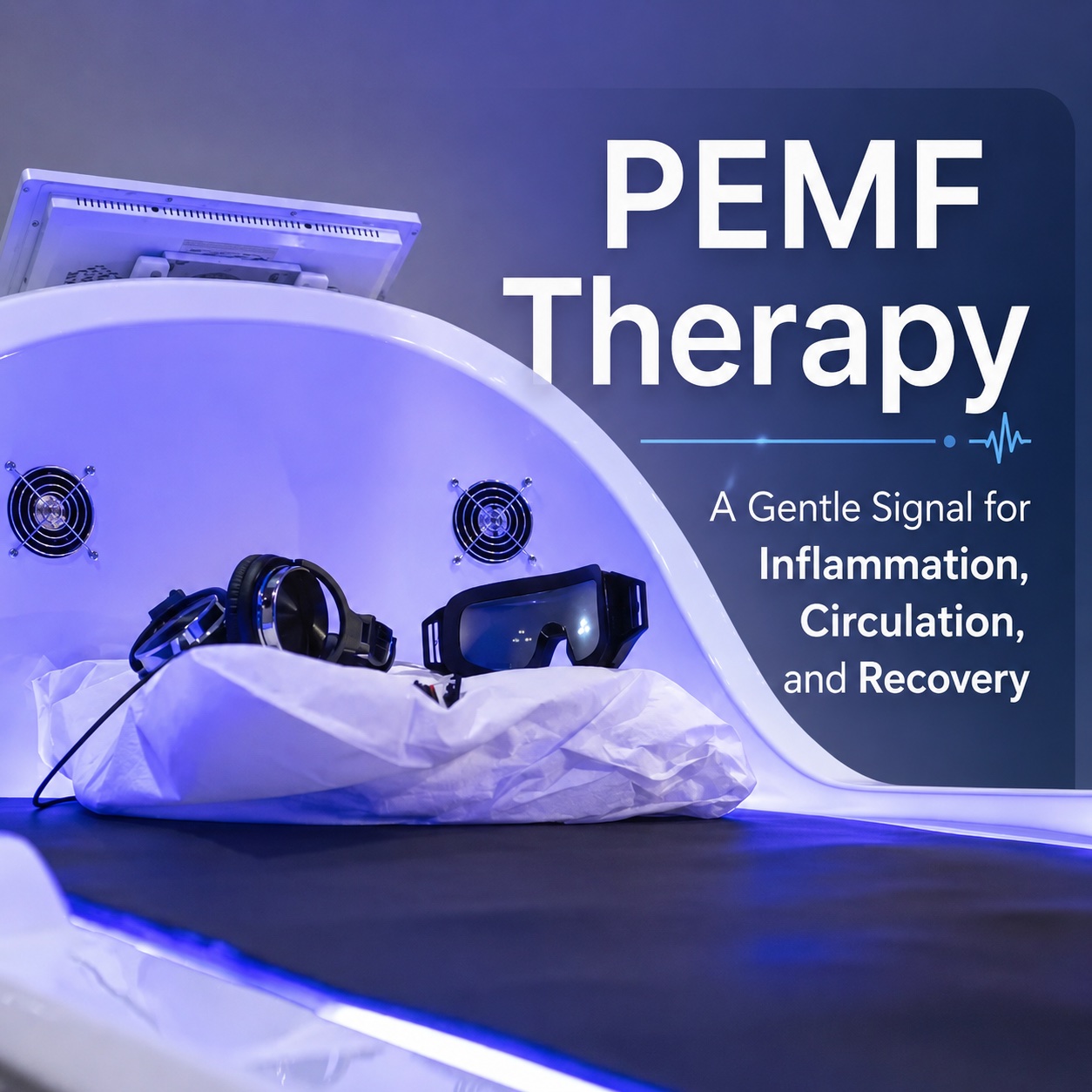
PEMF Therapy: A Gentle Signal for Inflammation, Circulation, and Recovery
At OK Theta & Wellness, we spend a lot of time talking about the nervous system, circulation, inflammation, and the body’s ability to recover when it is placed in the right environment. Some therapies are dramatic. You feel them immediately. Others are quieter. They work more like a signal than a shove. PEMF therapy belongs in that second category.
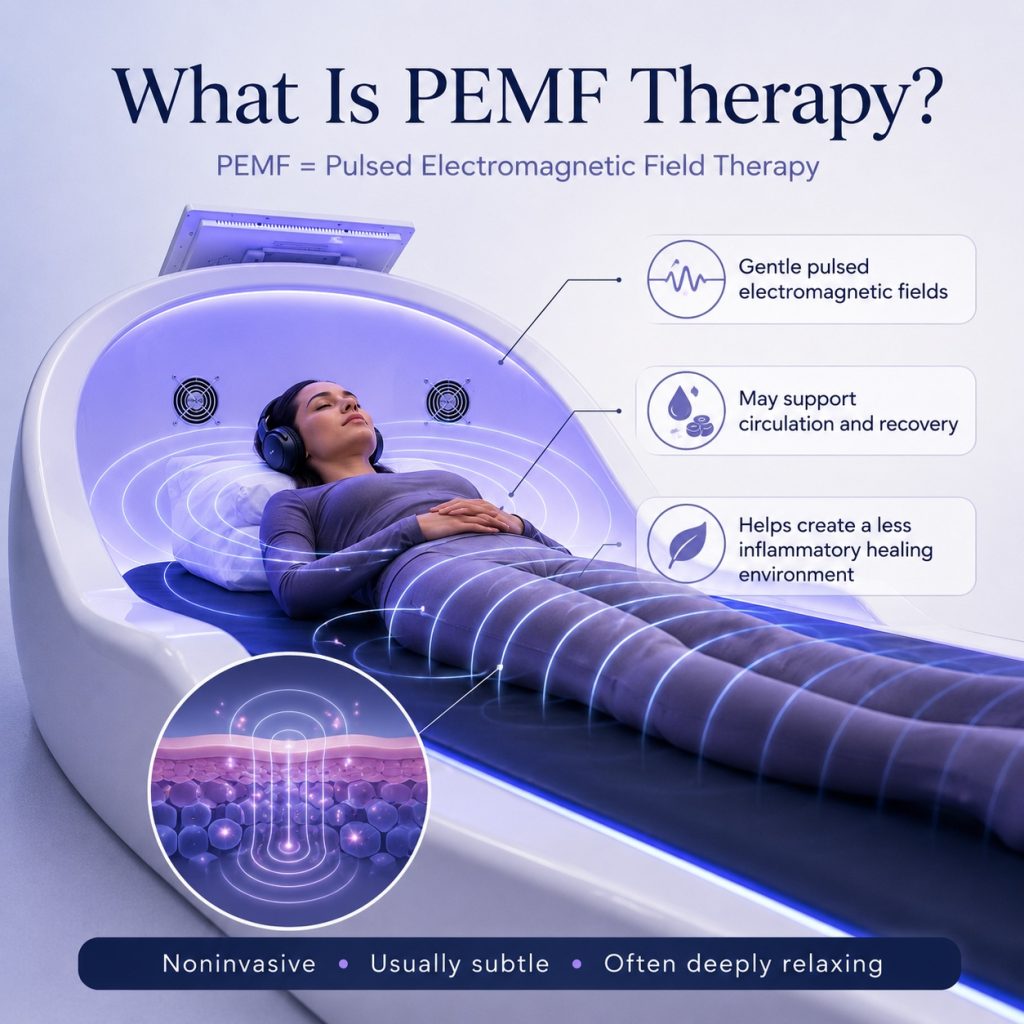
PEMF stands for pulsed electromagnetic field therapy. It uses gentle, repeated electromagnetic pulses delivered through a mat, coil, or applicator. Most people do not feel much during PEMF. Some may notice warmth, tingling, heaviness, relaxation, or a subtle sense of ease. Others may feel almost nothing at all. That does not necessarily mean nothing is happening. The body responds to many signals below the level of conscious sensation: pressure, rhythm, light, sound, temperature, breath, and electromagnetic activity.
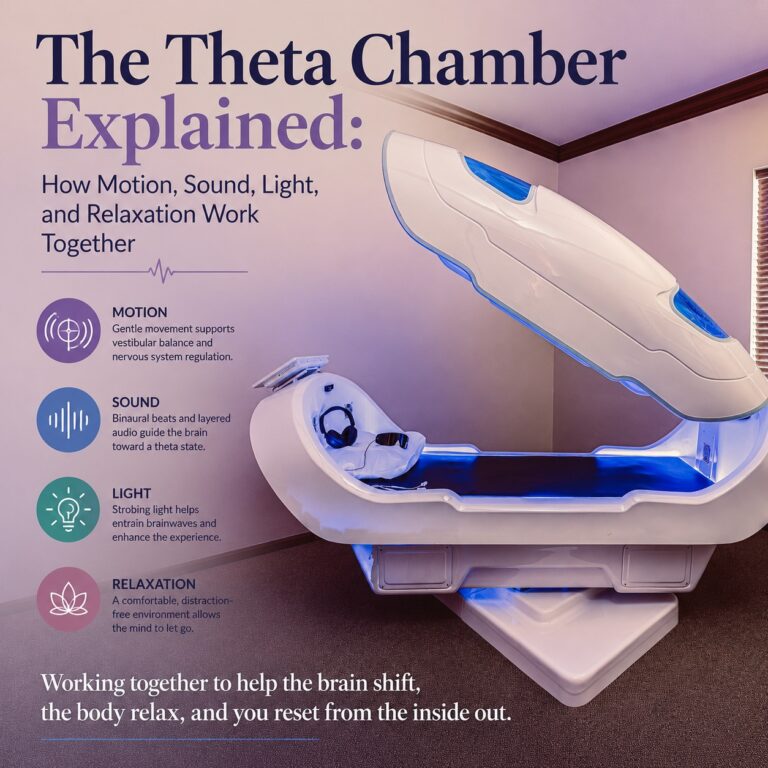
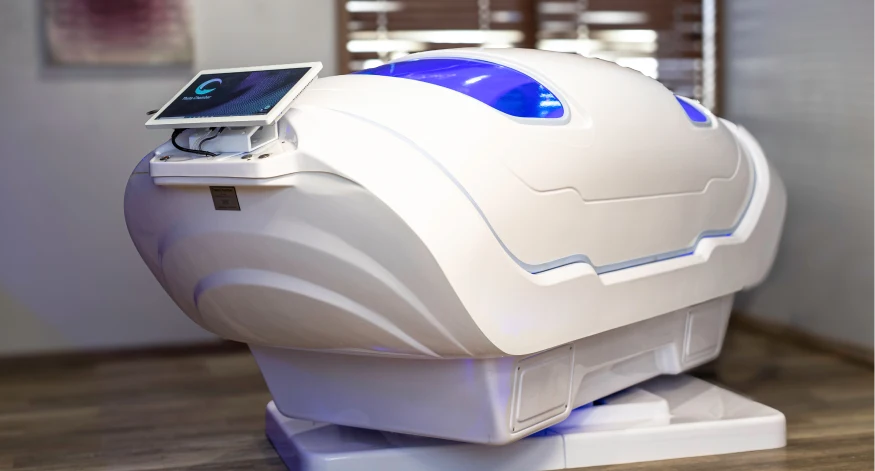
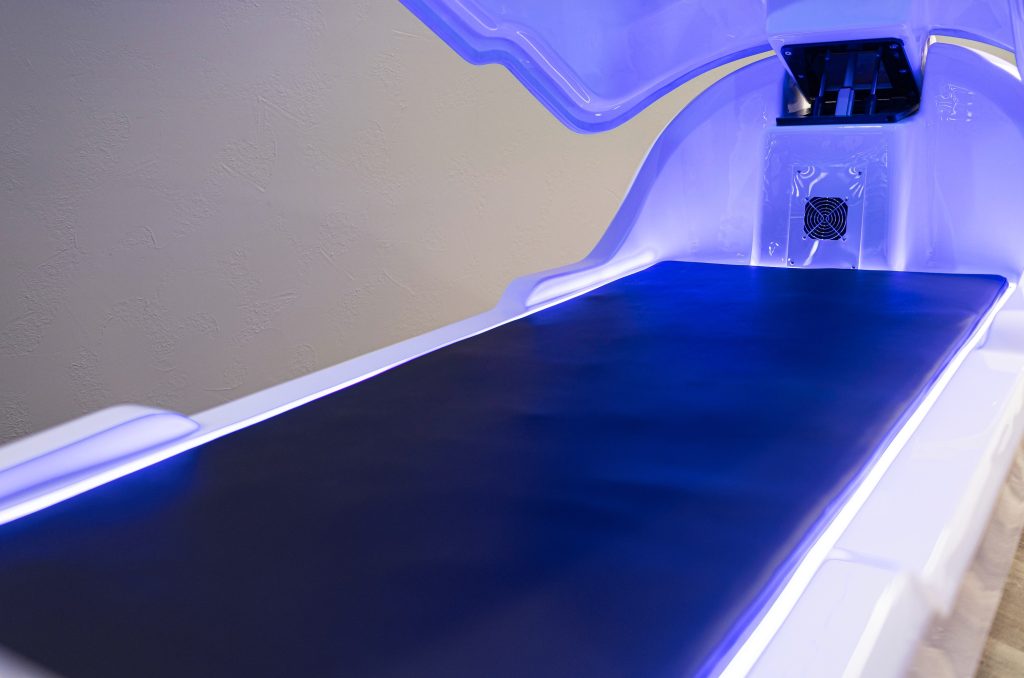
In our theta chamber, PEMF is one part of a larger brain-body environment. The chamber also includes rhythmic vestibular motion, sound, binaural beats, light-based entrainment, cranial electrotherapy stimulation when appropriate, and deep relaxation. The PEMF mat adds a body-level signal to that experience. While the chamber helps guide the nervous system toward a calmer, more meditative state, PEMF may help support the tissue environment through effects on inflammation, circulation, pain signaling, and repair. PEMF is not a magic wand. It is a quiet physiologic signal that may help the body move toward a better healing environment.
Spin into Wellness in Oklahoma’s First Theta Chamber!
What Is PEMF Therapy?
The body is electrical. Every nerve impulse depends on electrical gradients. Muscle contraction, cardiac rhythm, cell membrane function, calcium movement, and tissue repair all involve bioelectrical activity. PEMF therapy uses pulsed electromagnetic fields to interact with this electrically active biology.
This does not mean PEMF “charges the body” like a battery. That language is tempting, but it is too simplistic. A better way to understand PEMF is that it provides a rhythmic environmental signal. Cells and tissues may respond to that signal through changes in inflammatory pathways, vascular tone, cellular metabolism, calcium signaling, and tissue repair behavior.
PEMF has been studied for decades. One of its most established medical uses is in bone healing, especially fracture nonunion. A review in JAAOS Global Research & Reviews notes that pulsed electromagnetic fields have been approved by the FDA as a treatment for nonunions of bone. PEMF is not just a wellness trend. It has a real medical history, even though wellness PEMF mats and whole-body PEMF sessions are broader applications and should not be treated as identical to prescription bone-stimulation devices. (PMC)
PEMF and Inflammation: Helping Tissue Shift Toward Repair
Inflammation is part of healing. When tissue is injured or stressed, the inflammatory response helps recruit immune cells, clear debris, and begin repair. The problem can be inflammation that becomes excessive, poorly regulated, or stuck. This is where PEMF becomes interesting.
A 2019 review in Bioelectricity described PEMF as an emerging treatment approach for regulation of inflammation and tissue regeneration. The authors reviewed evidence suggesting PEMF can influence inflammatory behavior in cells involved in repair, including mesenchymal stem cells and macrophages. (PMC) In plain language, PEMF may help tissues become less “irritated” and more repair-oriented. PEMF may help modulate inflammatory signaling so tissue can shift toward a more regulated healing state.
This also fits the broader philosophy of what we do at OK Theta & Wellness. Many people are living in a state of chronic physiologic friction. Their nervous system is overactivated, their sleep is poor, and their muscles are guarded. Others have circulation that is not ideal, or an inflammatory tone that is elevated. The goal is not to force the body into healing. The goal is to create conditions where healing is more likely to occur. PEMF is aimed at doing just that.

PEMF and Blood Flow: Why Some People Feel Warmth
One of the more common sensations people report with PEMF is warmth. Not everyone feels it, but when they do, it may relate to local changes in blood flow or vascular tone. There is literature suggesting PEMF may influence microcirculation and nitric oxide-related pathways. Nitric oxide is one of the body’s key vascular signaling molecules. It helps blood vessels relax, supports endothelial function, and improves the ability of blood to move through small vessels. A 2024 review in Frontiers in Sports and Active Living discussed PEMF’s potential effects on recovery, including vasodilation, nitric oxide signaling, microvascular flow, and tissue oxygenation. (Frontiers)
That does not mean every PEMF session dramatically increases blood flow. It means the vascular system is one plausible pathway through which PEMF may exert some of its effects. Tissue healing depends on flow. Blood carries oxygen, nutrients, immune cells, and signaling molecules. When blood flow is poor, recovery is slower. When tissue is better perfused, the local environment is generally more favorable for repair.
This is also why PEMF fits naturally with some of our other therapies. EECP works through rhythm, pressure, shear stress, nitric oxide, and vascular adaptation. StemWave uses acoustic energy to stimulate local tissue signaling. The theta chamber uses rhythm and entrainment to help shift nervous system state. PEMF sits comfortably inside this same philosophy: use a noninvasive signal to encourage the body toward better regulation.

PEMF and Pain: What the Evidence Suggests
Pain is complicated. It can come from tissue injury, inflammation, joint degeneration, nerve sensitivity, central sensitization, poor sleep, stress, muscle guarding, and many other overlapping factors. PEMF is not a universal pain cure, but it has been studied in several musculoskeletal conditions.
Osteoarthritis is one of the better-studied areas. A 2024 systematic review looked at PEMF for osteoarthritis across multiple anatomical sites and found evidence suggesting possible benefits for pain and quality of life, while also emphasizing that studies vary significantly in protocols, treatment duration, device parameters, and quality. (PMC)
A 2022 systematic review and meta-analysis similarly concluded that PEMF appears to be effective in the short term for relieving pain and improving function in osteoarthritis, but noted that many studies had small sample sizes, heterogeneous protocols, and limitations in design. (Springer)
PEMF may help some people with pain and stiffness, especially when pain is related to inflammation, joint irritation, or poor tissue recovery. It is best thought of as a supportive therapy, not a replacement for diagnosis, rehabilitation, strength work, nutrition, or medical care when those are needed.
PEMF and Tissue Repair
PEMF’s strongest historical medical foundation is bone healing. The FDA-cleared use for fracture nonunion gives PEMF credibility as a technology that can influence tissue repair under certain conditions. Again, that does not mean every PEMF mat should be marketed as a bone-healing device. But it does show that electromagnetic fields can interact meaningfully with repair biology. (PMC)
PEMF has also been explored in wound healing and soft tissue repair. An integrative review of PEMF and wound healing noted that PEMF may influence signaling molecules involved in wound repair, including MMP-2, IL-6, and TGF-β. (Cambridge Media Journals)
This is still an emerging area, but the theme is consistent: PEMF appears to interact with biologic signaling systems involved in inflammation, circulation, and repair. That is why I think of PEMF less as a “treatment for one symptom” and more as a recovery environment tool. It may help the body soften the inflammatory edge, improve local flow, and support the signaling processes that allow tissue to do what tissue is designed to do.

What Does PEMF Feel Like?
This is important to address because PEMF can be underwhelming if someone expects a strong sensation. Most people do not feel PEMF in a dramatic way. Some feel warmth, gentle pulsing, tingling, heaviness, relaxation, or muscle softening. Some simply feel like they are lying on a mat. That is okay.
A lack of sensation does not mean lack of effect. Many physiologic processes are quiet. You do not feel your immune system adjusting cytokine levels, endothelial cells producing nitric oxide, or every change in cellular calcium movement and mitochondrial behavior. PEMF is not meant to overwhelm the system. It is meant to provide a signal.
That is a different way of thinking for many people. We are used to associating intensity with effectiveness. But the nervous system and healing systems often respond better to rhythm, consistency, and safety than to force. In other words, PEMF is not a thunderstorm. It is more like a steady rain over dry ground.

PEMF Inside the Theta Chamber
At OK Theta & Wellness, PEMF is built into our theta chamber experience. This is one of the reasons I see the theta chamber as more than a relaxation device. It is a layered brain-body environment.
The chamber combines multiple sensory and physiologic inputs: rhythmic motion, sound, light, binaural beats, cranial electrotherapy stimulation when appropriate, and PEMF. Each piece has its own role. The motion helps calm and entrain the nervous system. The sound and light help guide brainwave state. The enclosed environment reduces external demand. The PEMF mat adds a body-level signal that may support circulation, inflammation balance, and tissue recovery.
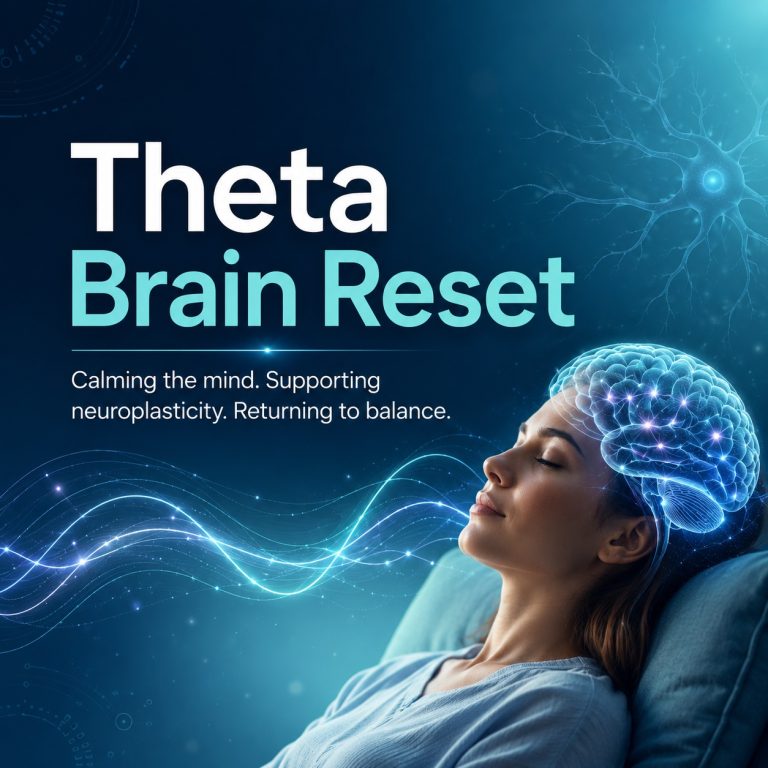
Theta helps quiet the nervous system. PEMF helps support the tissue environment. Together, they create a deeper recovery space. That does not mean PEMF is responsible for every effect of the theta chamber. It is one layer. But it is an important layer because it connects the nervous system work to the body itself.
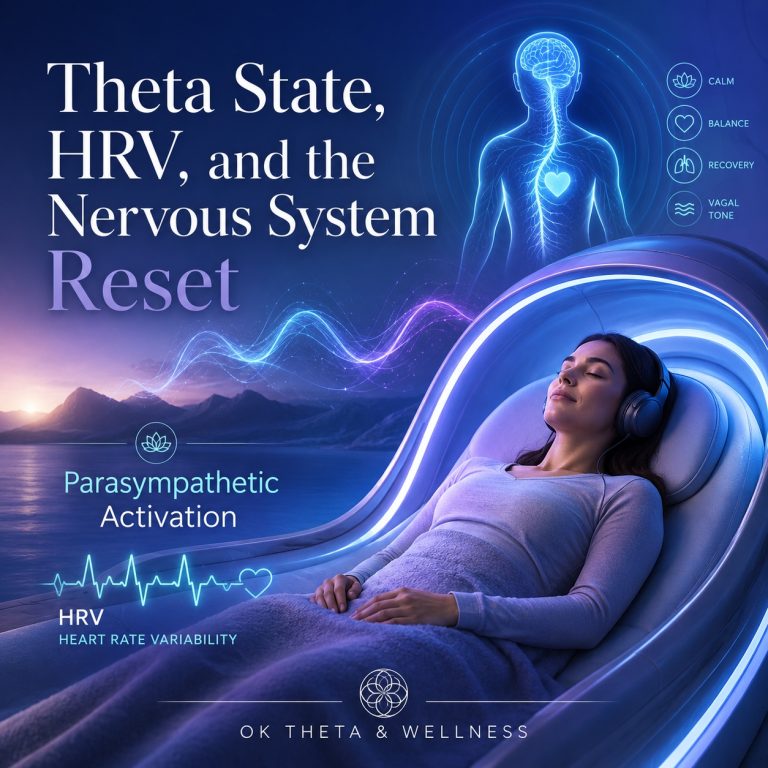
Many people come to us feeling overstimulated, inflamed, tired, tense, or stuck in stress physiology. In that state, the body often struggles to repair. The theta chamber gives the nervous system permission to downshift. PEMF may help the tissues receive a quiet recovery signal at the same time.
That combination is where the real beauty lives.

Our Multi-Band PEMF Mat
In addition to the PEMF built into the theta chamber, we also have a separate multi-band PEMF mat with delta, theta, alpha, and beta settings.
These names overlap with familiar brainwave categories, but I want to be careful with the language. PEMF should not be described as simply “installing” a brainwave into the body. A more accurate explanation is that different pulsing frequencies provide different rhythmic inputs, and the body may respond differently depending on the person, the goal, and the setting.
From a practical standpoint, we can think of these bands in terms of session intention:
- Delta-oriented PEMF may be used when the goal is deeper rest, recovery, or sleep support.
- Theta-oriented PEMF pairs naturally with meditative work, emotional processing, body relaxation, and the deeper reset style of sessions.
- Alpha-oriented PEMF may support a calm but awake state, useful for people who want regulation without feeling overly sedated.
- Beta-oriented PEMF may be used in more daytime-oriented sessions where the goal is alertness, structure, or a more activated recovery state.

Who Might Consider PEMF?
PEMF may be worth considering for people interested in recovery, inflammatory balance, circulation support, stiffness, soreness, joint discomfort, muscle tension, or general nervous system downshifting. It may also be useful for people who want a gentle therapy that does not require effort, impact, needles, or intense stimulation.
It may be especially appealing for people who identify with the following:
- “I feel inflamed.”
- “My body does not recover like it used to.”
- “My joints feel stiff.”
- “I want something calming, but body-focused.”
- “I do not necessarily want a dramatic treatment. I want support.”
- “I want to stack recovery therapies in a thoughtful way.”
That last phrase matters. PEMF is often best understood as part of a larger plan. Sleep, nutrition, hydration, movement, strength, circulation, stress physiology, emotional processing, and metabolic health all matter. PEMF does not replace those. It may support the environment in which those things work better.
Who Should Be Cautious?
PEMF is generally considered noninvasive and well tolerated in many studies, but it is not appropriate for everyone. People with implanted electrical devices such as pacemakers, implanted defibrillators, neurostimulators, insulin pumps, or other electronic implants should speak with their physician before using PEMF. People who are pregnant, have seizure disorders, active bleeding, recent surgery, active cancer treatment, or complex medical conditions should also seek medical guidance before beginning electromagnetic therapies.
PEMF should not replace medical care. It should not delay evaluation for chest pain, neurologic symptoms, infection, severe pain, cancer concerns, vascular disease, or non-healing wounds. It is a supportive therapy, not a substitute for appropriate diagnosis and treatment.
References
Cadossi, R., Massari, L., Racine-Avila, J., & Aaron, R. K. Pulsed electromagnetic field stimulation of bone healing and joint preservation: cellular mechanisms of skeletal response. JAAOS Global Research & Reviews. 2020. (PMC)
Ross, C. L., Zhou, Y., McCall, C. E., Soker, S., & Criswell, T. L. The use of pulsed electromagnetic field to modulate inflammation and improve tissue regeneration: a review. Bioelectricity. 2019. (PMC)
Cianni, L., et al. Current evidence using pulsed electromagnetic fields in osteoarthritis: a systematic review. 2024. (PMC)
Markovic, L., et al. Effects of pulsed electromagnetic field therapy on outcomes associated with osteoarthritis: a systematic review and meta-analysis. 2022. (Springer)
Ghanbari Ghoshchi, S., et al. Review of pulsed electromagnetic field therapy in recovery-related applications, including possible vascular and nitric oxide-mediated effects. Frontiers in Sports and Active Living. 2024. (Frontiers)
Integrative review of pulsed electromagnetic field therapy and wound healing. Wound Practice and Research. (Cambridge Media Journals)
Curious About PEMF therapy?
At OK Theta & Wellness, PEMF can be experienced as part of our theta chamber or as a standalone multi-band mat session. If your body feels inflamed, tense, under-recovered, or slow to bounce back, let us know. We would be glad to help you decide whether PEMF belongs in your recovery plan.