
EECP and Alzheimer’s Disease: What New Research Says About Brain Blood Flow

For many years, Alzheimer’s disease has been discussed mainly through the lens of amyloid and tau. Those proteins matter. They are part of the story. But as a former neurosurgeon, I have always been drawn to another part of the story that often gets less attention: blood flow. This is where EECP and Alzheimer’s disease intersect.
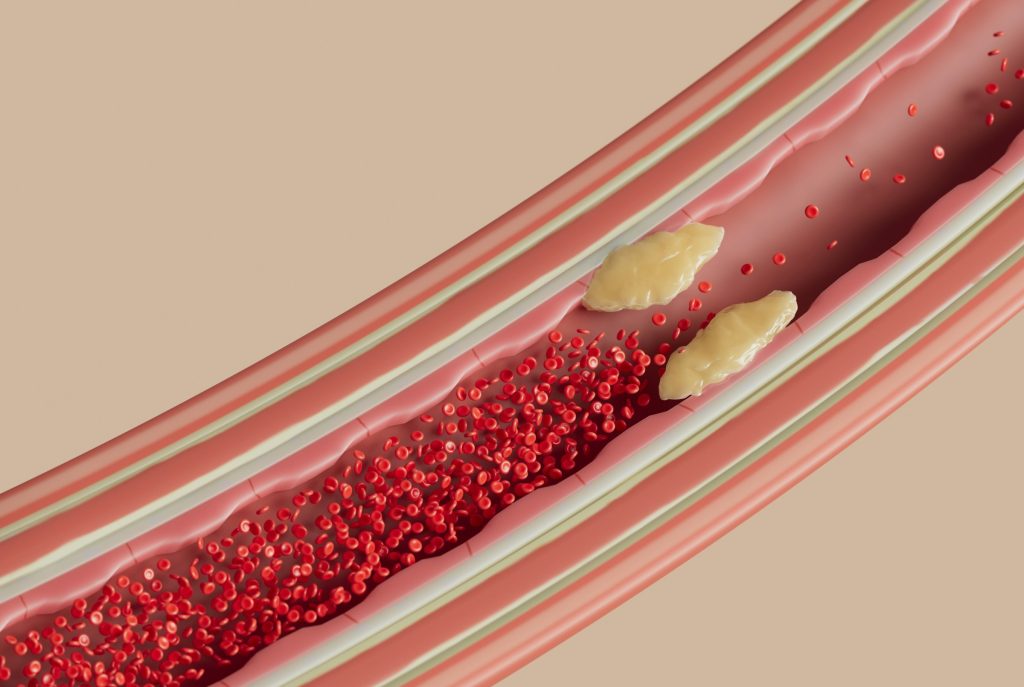
The brain is not just an electrical organ. It is a metabolic organ. It is a vascular organ. It depends on oxygen, glucose, endothelial function, capillary responsiveness, and the constant delivery of nutrients through an astonishingly delicate blood supply. When that flow is compromised, the brain does not simply “run slower.” It adapts, compensates, struggles, and over time, may begin to lose function.
That is why the emerging literature on EECP and Alzheimer’s disease is so interesting.
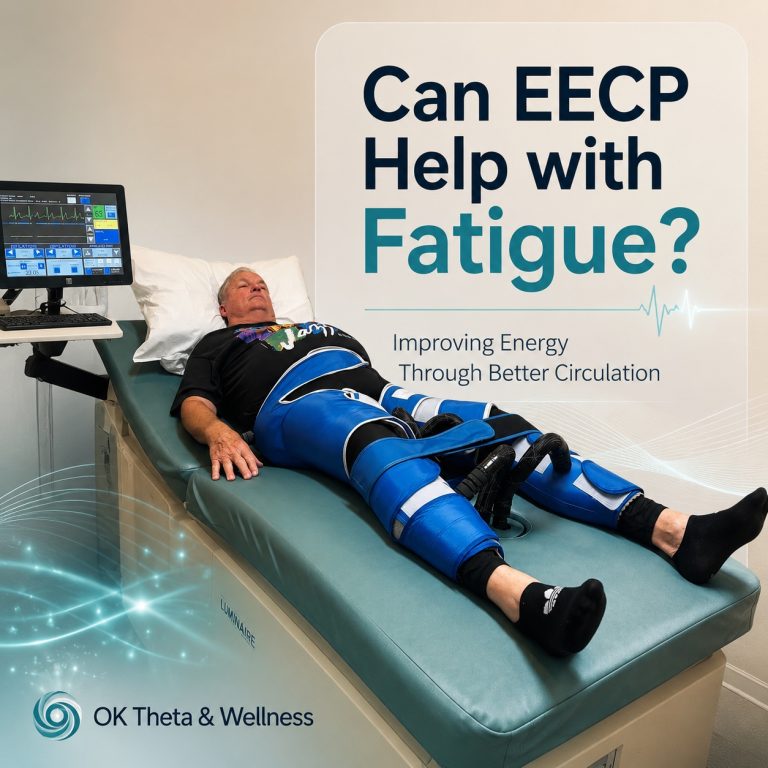
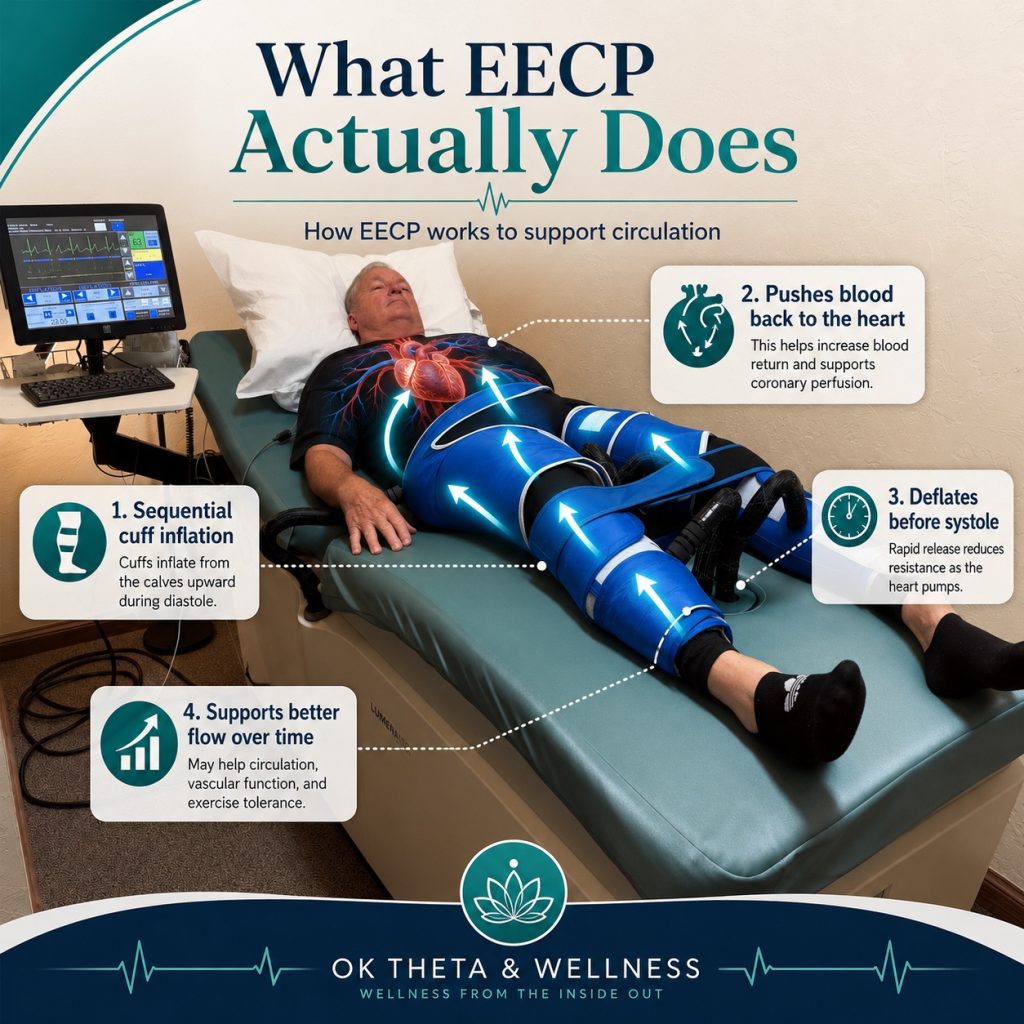
At OK Theta & Wellness, we are deeply interested in non-invasive therapies that support the body’s own restorative systems. EECP, or enhanced external counterpulsation, has traditionally been used as a cardiovascular therapy, especially for chronic stable angina. It works by using inflatable cuffs on the legs that compress in rhythm with the cardiac cycle, increasing blood flow back toward the heart during diastole and reducing cardiac workload during systole. Cleveland Clinic describes EECP as an FDA-approved outpatient therapy for chronic stable angina that uses lower-limb pressure to improve blood flow. (Cleveland Clinic)
But the newer question is bigger: if EECP improves vascular function and circulation, could it also support brain function?
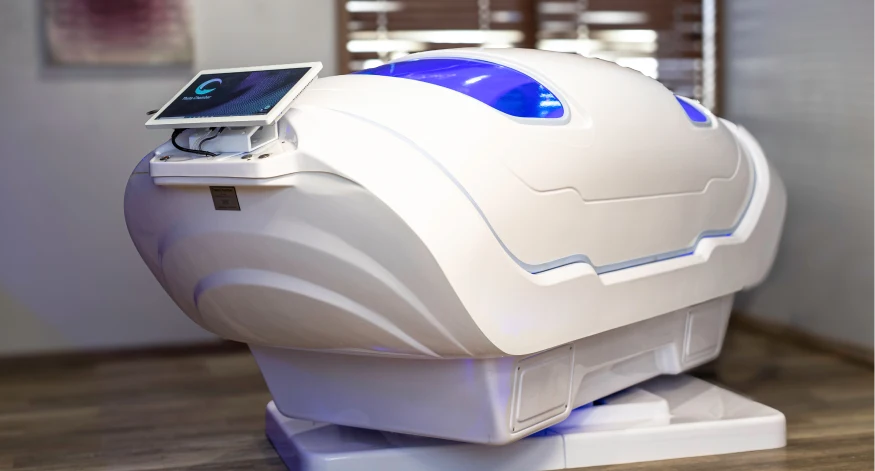
Spin into Wellness in Oklahoma’s First Theta Chamber!
Why Blood Flow Matters in Alzheimer’s Disease
Alzheimer’s disease is complex. It is not simply a single-protein problem. The newer literature increasingly recognizes that vascular disease and neurovascular dysfunction are tied to cognitive decline, mild cognitive impairment, and Alzheimer’s disease. The 2026 randomized clinical trial on external counterpulsation opens by noting that amyloid and tau alone do not fully explain the clinical disease, and that vascular disease, including intracranial cerebrovascular disease and impaired neurovascular response, is closely related to the epidemiology, pathophysiology, and clinical expression of MCI and Alzheimer’s disease. (Sage Journals)
That point matters.
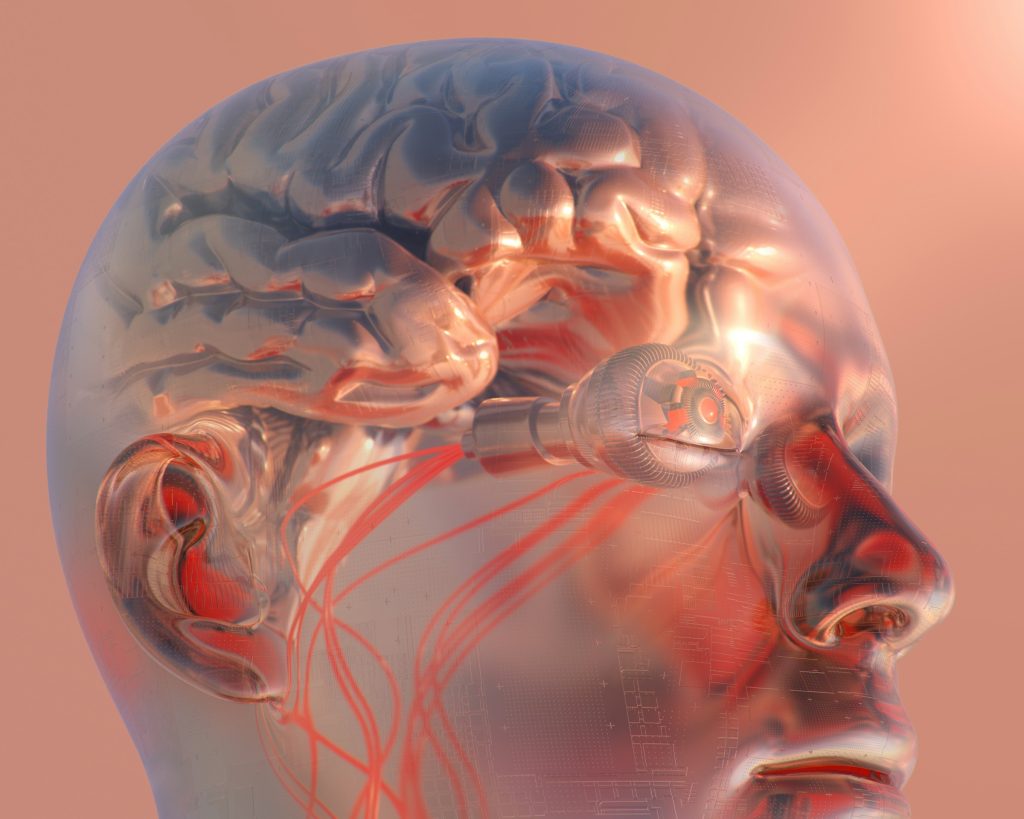
The brain has a remarkable ability to regulate its own blood flow. But aging, diabetes, hypertension, inflammation, endothelial dysfunction, small vessel disease, and impaired vascular reactivity can all affect how well the brain delivers blood to areas under demand. The hippocampus, precuneus, and other memory-related regions are particularly important here. These are not decorative brain regions. They are central crossroads for memory, orientation, self-referential processing, and the continuity of experience.
When perfusion drops, the brain may still look structurally “intact” for a while, but function can begin to suffer. In practical terms, this can show up as slowed thinking, poor recall, reduced attention, mental fatigue, or difficulty with daily tasks. The soil may still be there, but the irrigation is not keeping up.
What Earlier EECP Research Suggested
Before the newest randomized trial, the evidence was intriguing but limited.
A 2016 pilot study looked at patients with mild cognitive impairment who received 35 one-hour EECP sessions over 7 weeks. The study reported that cerebral blood flow increased in certain brain regions after treatment, with average increases ranging from 2.5% to 15.8%. The largest changes were seen in the hippocampus and precuneus, regions directly relevant to memory and cognition. The authors also noted evidence that some of these changes may persist for 6 months after treatment. (austinpublishinggroup.com)
That pilot study was very small, with only four patients, so it was not the kind of study that proves clinical effectiveness. But it pointed toward a plausible mechanism: EECP may improve cerebral perfusion in areas that are vulnerable in cognitive decline. The authors specifically wrote that cognitive function appeared to correlate with cerebral blood flow in the hippocampus and precuneus, and they called for larger randomized trials. (austinpublishinggroup.com)
In other words, the early research did not give us the final answer. It gave us a trailhead.
The New 2026 Randomized Clinical Trial
The new paper, published online May 14, 2026 in American Journal of Alzheimer’s Disease & Other Dementias, is titled “Treatment of Clinically Diagnosed Alzheimer’s Disease by External Counterpulsation: A Randomized Clinical Trial.” (Sage Journals)
This was a 12-month, multicenter, blinded, randomized, sham-controlled trial involving 190 patients with early Alzheimer’s disease, including patients with mild cognitive impairment due to Alzheimer’s disease or mild Alzheimer’s disease. Participants received either full-pressure external counterpulsation at 150-300 mmHg or low-pressure sham treatment at 25 mmHg. The treatment schedule included 35 one-hour sessions, followed by twice-weekly treatments through 6 months, with assessments continuing through 52 weeks. (Sage Journals)

The results were notable. Full-pressure treatment significantly improved activities of daily living compared with sham, with ADCS-ADL scores improving by 2.57 versus declining by 0.49 in the sham group. Cognitive scores also improved, with VADAS-cog scores improving more in the full-pressure group than the sham group. The reported benefits persisted through 52 weeks, even though treatment had stopped at 6 months. Importantly, the study reported no serious device-related adverse events. (Sage Journals)
The full-pressure group also showed better performance on additional cognitive measures. The paper reports improvement in ADAS-cog 14 scores and MMSE, with treatment benefits still present at the 1-year assessment. (Sage Journals)
That does not mean EECP is a cure for Alzheimer’s disease. It does not mean every patient will respond. It does not erase the need for longer-term studies, replication, biomarker work, and careful patient selection. But it does suggest something important: vascular therapy may deserve a more serious seat at the Alzheimer’s table.
Why This Is Clinically Interesting
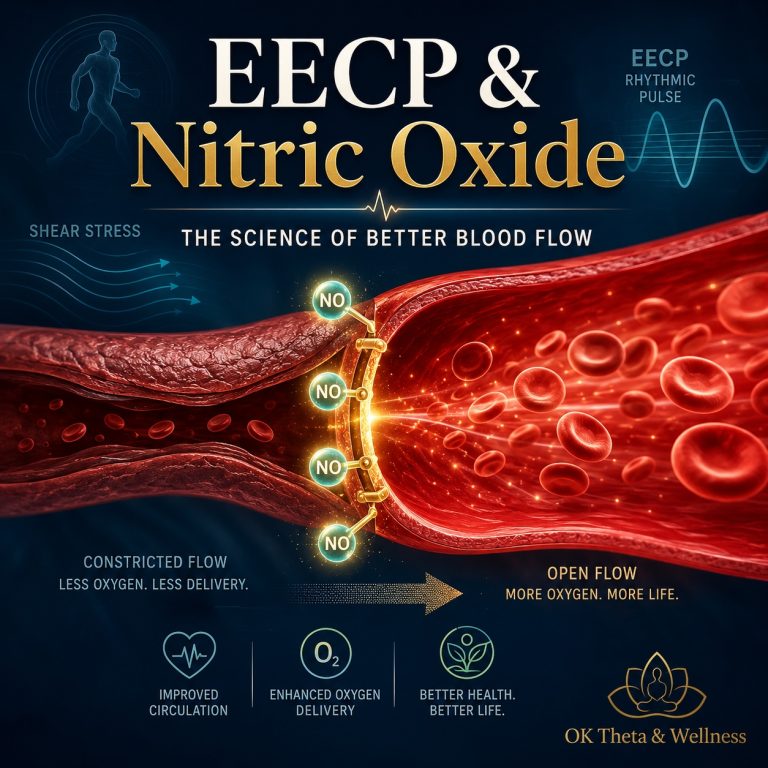
From a neuroscience perspective, this makes sense. EECP is not aimed at amyloid directly. It is not trying to chemically remove plaques or silence one molecular pathway. It is a hemodynamic intervention. The treatment increases endothelial shear stress, which the 2026 paper compares to some vascular effects of exercise. The authors describe associated effects including increased nitric oxide production, improved vascular reactivity, increased vascular compliance, anti-inflammatory endothelial effects, and collateralization in cardiovascular disease. (Sage Journals)
That is a very different way of thinking.
Instead of asking only, “How do we remove pathology?” we can also ask, “How do we support the living tissue that remains?”
That question matters deeply in early cognitive decline. The brain is not passive. It is constantly remodeling, adapting, pruning, compensating, and rerouting. If we can improve the vascular environment around vulnerable networks, we may be helping the brain do what it has always tried to do: survive, adapt, and preserve function.

What This Means for Patients and Families
For families dealing with Alzheimer’s disease or mild cognitive impairment, the hardest part is often the feeling that nothing can be done. I do not believe in giving false hope. But I also do not believe in ignoring reasonable hope when the science begins to point toward it.
The literature on EECP and Alzheimer’s disease is still developing, but the direction is meaningful. Earlier pilot work suggested that EECP may improve cerebral blood flow in memory-related brain regions. The new randomized trial suggests that full-pressure external counterpulsation may improve cognition and activities of daily living in early Alzheimer’s disease compared with sham treatment. (austinpublishinggroup.com)
At OK Theta & Wellness, we are especially interested in therapies that support circulation, nervous system regulation, and brain resilience. EECP fits into that larger conversation because it approaches the brain through the vascular system. Sometimes, the best way to support the brain is not to start with the brain directly. Sometimes, you start with the river that feeds it.
Alzheimer’s disease remains complex. But this research adds an important piece to the puzzle: blood flow is not a side issue. It may be part of the main road.