
EECP and Nitric Oxide: The Science of Better Blood Flow

EECP Therapy in Oklahoma City!
There is a quiet molecule inside the body that does not get nearly enough attention. It does not come in a flashy bottle. It does not need a celebrity endorsement. It does not require a complicated wellness pitch. It is called nitric oxide, and when it is working well, blood vessels behave more like living, responsive tissue and less like stiff plumbing.
Nitric oxide, often abbreviated NO, is one of the body’s most important signaling molecules for vascular health. It helps blood vessels relax, widen, and respond to the changing needs of the body. When nitric oxide availability is healthy, circulation improves. When nitric oxide availability declines, the vascular system can become more rigid, less adaptive, and less efficient at delivering oxygen and nutrients where they are needed.
That matters for the heart. It matters for the brain. It matters for muscle, tissue repair, exercise tolerance, blood pressure regulation, and overall vitality. At OK Theta & Wellness, one of the reasons we are so excited about EECP therapy is that it offers a natural, non-invasive way to stimulate one of the body’s most important vascular pathways: the nitric oxide pathway.
Spin into Wellness in Oklahoma’s First Theta Chamber!

Nitric Oxide Declines With Age
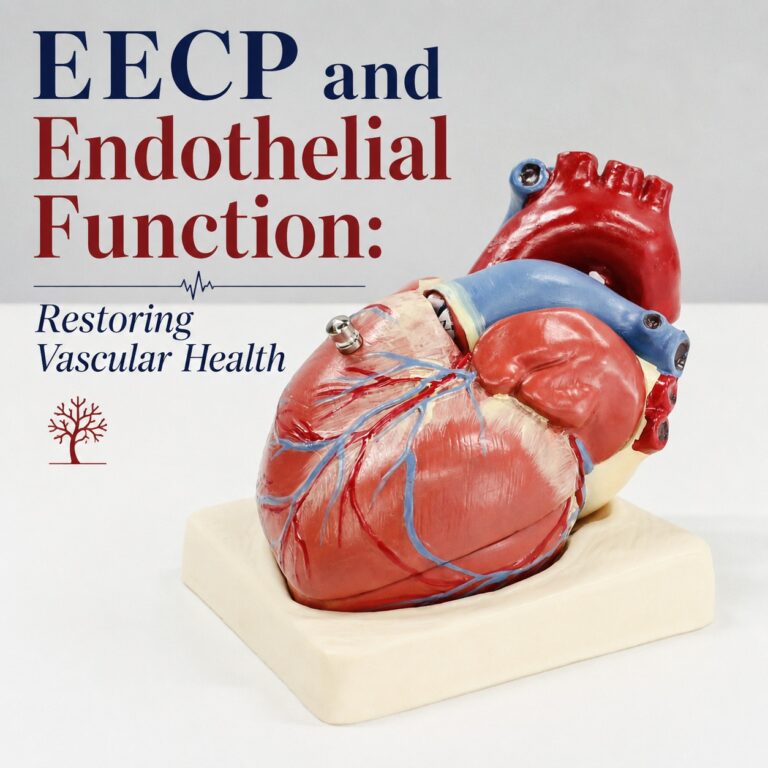
As we age, our blood vessels age with us. The inner lining of the blood vessels is called the endothelium. This thin cellular layer is not passive. It is biologically active tissue. It senses blood flow, pressure, inflammation, oxidative stress, hormones, nutrients, and metabolic demand. One of its most important jobs is producing nitric oxide through an enzyme called endothelial nitric oxide synthase, or eNOS.
With aging, metabolic dysfunction, high blood pressure, diabetes, smoking, chronic inflammation, and oxidative stress, nitric oxide availability tends to decline. This is a central feature of what we call endothelial dysfunction. Research has consistently linked reduced nitric oxide bioavailability with vascular aging, impaired vasodilation, hypertension, atherosclerosis, and cardiovascular disease risk. (PMC)
In plain English: the older or more inflamed the vascular system becomes, the less easily blood vessels open when the body asks them to. That does not mean the system is broken beyond repair. It means the system may need the right stimulus. And one of the most powerful natural stimuli for nitric oxide production is shear stress.

Shear Stress: The Mechanical Signal That Wakes Up the Endothelium
Shear stress is the frictional force created when blood flows across the inner lining of the blood vessel. That may sound small, but biologically it is a big deal.
When blood flow increases in a healthy pattern, the endothelial cells sense that movement. They respond by activating signaling pathways that increase eNOS activity and nitric oxide production. In vascular biology, this process is called mechanotransduction, which simply means the body converts mechanical force into a biological signal. This is one of the reasons exercise is so good for vascular health. When you move, cardiac output rises, blood flow increases, and the endothelium receives a signal: “We need more flow.” In response, nitric oxide helps the blood vessels relax and widen.
Several reviews describe shear stress as a major regulator of endothelial nitric oxide production and vascular adaptation. The endothelium is not just being washed by blood. It is listening to the pattern of flow. (PMC) That is where EECP becomes so interesting.

How EECP Creates a Vascular Workout
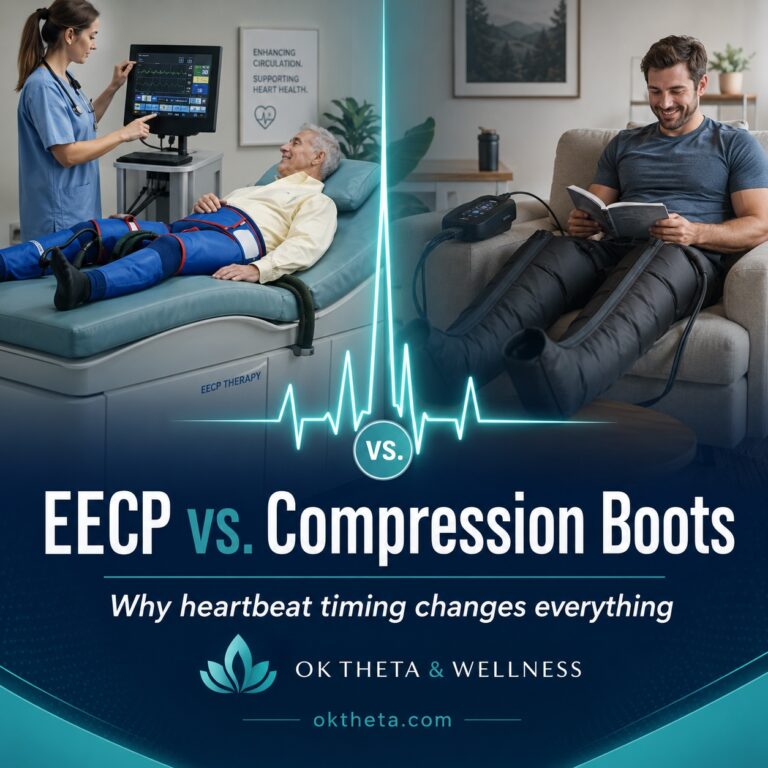
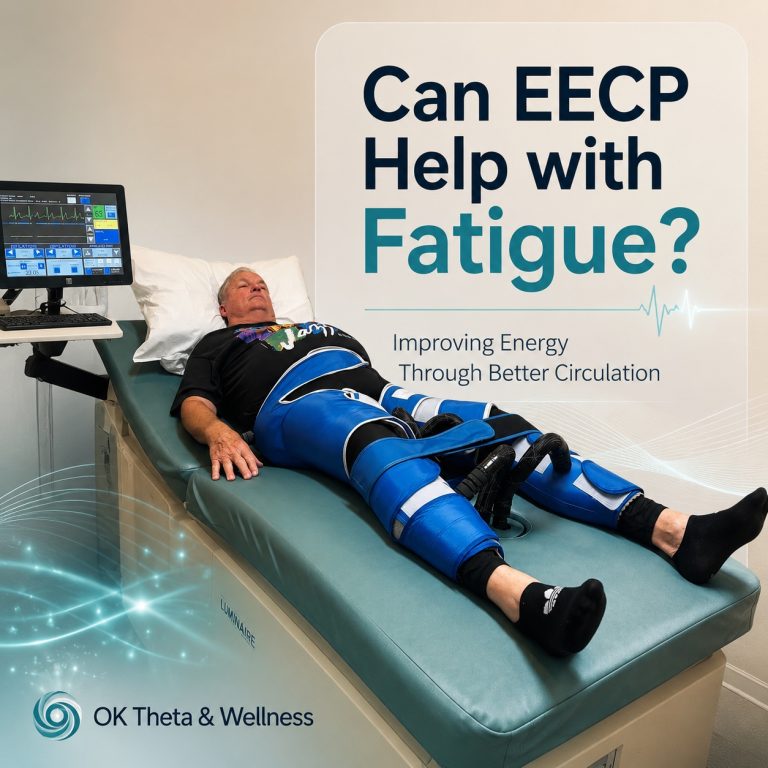
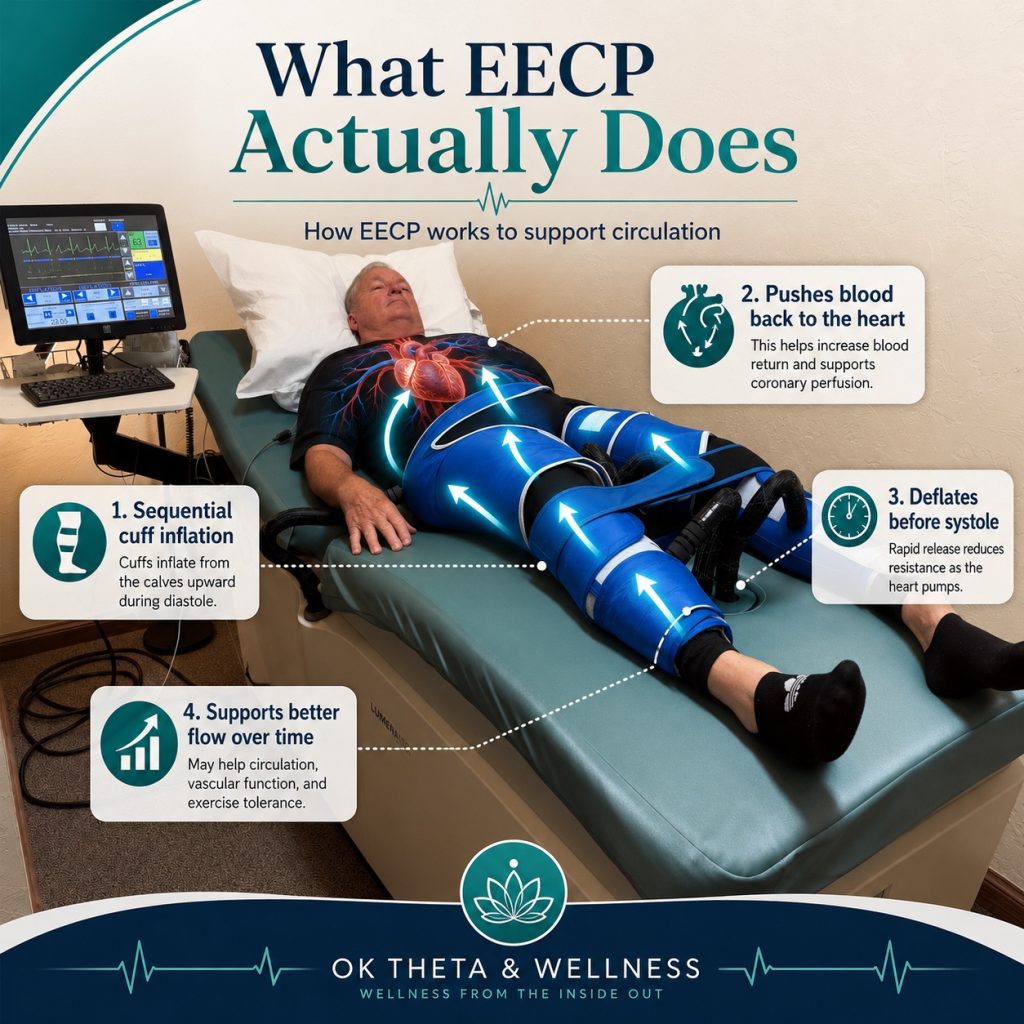
EECP, or Enhanced External Counterpulsation, is a non-invasive therapy that uses inflatable cuffs on the legs and hips. These cuffs inflate and deflate in rhythm with the heartbeat.
During diastole, when the heart is relaxing and filling, the cuffs inflate from the calves upward. This pushes blood back toward the heart and increases diastolic blood flow. Then, just before the next heartbeat, the cuffs rapidly deflate, reducing the workload on the heart. The experience is passive for the patient, but the vascular system is very much engaged.
From a blood-flow standpoint, EECP creates repeated waves of increased flow and pressure. Those waves increase shear stress along the endothelium. That shear stress appears to be one of the key ways EECP improves endothelial function and nitric oxide signaling. This is why I like to describe EECP as a vascular workout.
You are lying down, but your blood vessels are being rhythmically challenged. The endothelium is receiving a repeated mechanical message: adapt, open, respond, improve flow.

EECP and Nitric Oxide: What the Research Shows
The nitric oxide connection is not just theoretical. A 2006 study by Akhtar and colleagues looked at patients with coronary artery disease undergoing a six-week course of EECP. The researchers found that EECP increased plasma nitrate and nitrite levels, markers of nitric oxide production, while reducing endothelin-1, a molecule that promotes blood vessel constriction. (PubMed)
That combination matters. Nitric oxide helps vessels relax. Endothelin-1 tends to make them constrict. So EECP appears to shift the vascular environment in a more favorable direction: more dilation, less constriction.
Other studies have shown that EECP improves endothelial function in patients with coronary artery disease, including improvement measured by peripheral arterial tonometry and flow-mediated dilation. (ScienceDirect) A 2022 study also found that EECP significantly increased carotid artery flow shear stress and was associated with improved endothelial function, adding further support to the idea that EECP works through flow-mediated vascular signaling. (PMC)
More recently, a 2023 meta-analysis of randomized controlled trials concluded that EECP is effective in improving endothelial function in adults. (Taylor & Francis Online) That does not mean EECP is magic. It means EECP appears to create a real physiologic stimulus that the vascular system recognizes.

Why Better Nitric Oxide Matters
When nitric oxide production improves, several important things may happen:
- Blood vessels can relax more effectively.
- Circulation can improve.
- Tissue perfusion can become more efficient.
- The heart may receive better coronary blood flow during diastole.
- Muscles may receive better oxygen delivery.
- The brain may benefit from improved vascular responsiveness.
- Wounds and chronically under-perfused tissues may have a better environment for repair.
Nitric oxide also plays a role in reducing platelet aggregation, supporting healthy vascular tone, modulating inflammation, and maintaining endothelial health. When nitric oxide signaling is impaired, the vascular system tends to drift toward stiffness, constriction, inflammation, and poor adaptability. (PMC)
This is one reason vascular health is not just a “heart issue.” It is a whole-body issue.
- Your brain needs blood flow.
- Your muscles need blood flow.
- Your nerves need blood flow.
- Your connective tissue needs blood flow.
- Your skin, fascia, kidneys, and mitochondria all depend on oxygen and nutrient delivery.
Better blood flow does not solve everything, but poor blood flow quietly complicates almost everything.
Why EECP Is Different From Buying Nitric Oxide Supplements
There are many supplements marketed for nitric oxide support. Some use L-arginine. Some use L-citrulline. Some use beetroot powder or nitrate-based formulas. Some of these may be helpful in the right person. But supplement quality varies. Absorption varies. Dosing varies. Individual response varies. And many people spend a great deal of money trying to force a pathway from the outside in.
EECP approaches the problem differently. Instead of simply taking a substance that may or may not raise nitric oxide levels, EECP gives the blood vessels a mechanical signal to produce nitric oxide themselves. That is an important distinction. The goal is not just to add something to the bloodstream. The goal is to help the endothelium remember how to respond.
The Bigger Picture: Flow Is a Biological Language
The body speaks in rhythms. The heart beats in rhythm. The lungs breathe in rhythm. The nervous system oscillates in rhythms. Blood flow itself has rhythm, pulse, and pattern.
EECP works with one of the body’s oldest languages: pressure and flow. By rhythmically increasing diastolic flow and vascular shear stress, EECP may help restore a healthier conversation between blood and blood vessel. That conversation includes nitric oxide, endothelial function, vascular flexibility, collateral circulation, and tissue perfusion.
For patients who feel older than they should, who struggle with poor stamina, cold extremities, vascular risk factors, brain fog, exercise intolerance, or circulation-related concerns, nitric oxide is not a trendy wellness molecule. It is central biology. And EECP is one of the most compelling non-invasive tools we have for engaging that biology naturally.

Final Thought
Nitric oxide is not just about “opening blood vessels.” It is about restoring vascular intelligence. Healthy vessels should respond. They should widen when more flow is needed. They should support the heart during demand. They should deliver oxygen to the brain, muscles, and tissues without making the body fight through a narrowed gate. As we age, that responsiveness can fade. EECP offers a way to train it. Not with a pill. Not with a stimulant. Not with an expensive nitric oxide powder promising more than it can prove. But with rhythm, pressure, shear stress, and the body’s own capacity to adapt. That is the science of better blood flow. And sometimes, the most natural medicine is not adding something new. Sometimes it is reminding the body what it already knows how to do.
Selected Literature
Akhtar et al. found that EECP increased nitric oxide markers and reduced endothelin-1 in patients with coronary artery disease. (PubMed)
Bonetti et al. reported improved endothelial function after EECP in patients with symptomatic coronary artery disease. (ScienceDirect)
Beck et al. reported improved peripheral artery flow-mediated dilation and endothelial function after EECP. (Circulation Research)
Yang et al. described increased carotid artery flow shear stress after EECP and linked EECP to improved endothelial function. (PMC)Yin et al. published a 2023 meta-analysis suggesting EECP improves endothelial function in adults. (Taylor & Francis Online)