
Natural Help for POTS Syndrome

There’s a certain kind of frustration that comes with knowing something feels off… but not having a clear way to explain it.
You stand up, and your heart starts racing.
You feel lightheaded, maybe even unsteady.
Some days your thinking feels slower, like your mind is moving through fog.
For many people, this pattern has a name: POTS (Postural Orthostatic Tachycardia Syndrome).
At OK Theta & Wellness, we see individuals who have been dealing with these symptoms for months or years, often trying to piece together what their body is telling them.
This page is here to give you a clear starting point.
Experience the Benefits of EECP Therapy
EECP therapy may be the breakthrough you’ve been searching for.
What is POTS?
POTS is a condition that affects how your body regulates heart rate and blood flow when you change positions, especially when moving from sitting or lying down to standing.
In simple terms: your body has a harder time adjusting to gravity.
Instead of smoothly maintaining circulation to the brain and upper body, your system compensates by increasing heart rate, sometimes dramatically.

Common Symptoms of POTS
People experience POTS in different ways, but some patterns show up consistently:
- Dizziness or lightheadedness when standing
- Rapid heart rate (especially upon standing)
- Fatigue that doesn’t match activity level
- Brain fog or difficulty concentrating
- Feeling faint or near fainting
- Exercise intolerance
Many patients describe it not as one symptom… but as a system that feels out of sync.

Why Does POTS Happen?
POTS can happen when the body has trouble making the normal automatic adjustments required for standing. In a healthy system, blood vessels tighten, blood returns upward from the legs, blood pressure is preserved, and the heart only has to make a modest adjustment. In POTS, that reflex can become inefficient. Blood may pool in the lower body, less blood may return to the heart and brain, and the heart rate rises to compensate. The underlying reasons can vary, including low blood volume, deconditioning after illness, impaired blood vessel constriction, small-fiber nerve dysfunction, immune/inflammatory changes, and other autonomic nervous system disruptions. Post-COVID POTS has become especially important because Long COVID can involve cardiovascular autonomic dysfunction, with symptoms such as fatigue, dizziness, palpitations, shortness of breath, nausea, and orthostatic intolerance. Recent reviews describe POTS as a major phenotype within post-acute COVID autonomic dysfunction, while also emphasizing that the exact mechanisms are still being worked out. In plain language: after COVID, some people’s nervous system and circulation no longer “change gears” smoothly when they stand, leaving the heart to race in an effort to keep blood moving uphill. (nature.com)

How Is POTS Typically Managed?
POTS is typically managed with a combination of circulation support, nervous system regulation, lifestyle adjustments, and sometimes medication. First-line care often includes increasing fluid and salt intake when appropriate, wearing compression garments, avoiding heat and prolonged standing, improving sleep, and using gradual exercise training that often starts in a recumbent or semi-recumbent position before progressing upright. Some patients also benefit from physical therapy, pacing strategies, breathwork, and other tools that help calm and retrain the autonomic nervous system. When symptoms remain disruptive, clinicians may consider medications aimed at supporting blood volume, blood pressure, vascular tone, or heart rate. The big picture is that POTS management is not just about lowering a fast heart rate; it is about helping the body better regulate circulation, blood vessel tone, and the transition from lying or sitting to standing.
Supporting the Nervous System and Circulation
Therapeutic approaches for POTS usually start with the idea that the nervous system and circulation need retraining and support, not simply “slowing the heart down.” First-line strategies often include increasing fluids and salt when appropriate, using compression garments, avoiding heat triggers, improving sleep, and gradually rebuilding tolerance through recumbent or semi-recumbent exercise. The goal is to help the body hold onto circulating volume, improve venous return, and teach the autonomic nervous system to respond more smoothly when posture changes. Exercise training and volume expansion are commonly emphasized early in POTS management, while broader consensus statements describe non-pharmacologic strategies as foundational before or alongside medication. (PMC)
From a nervous-system-regulation perspective, POTS care is also about reducing the “alarm load” on the body. Breathwork, pacing, nervous system downshifting, physical therapy, autonomic rehabilitation, and gradual exposure to upright activity can help some patients move from a reactive state into a more stable regulatory pattern. This matters even more in Long COVID-associated dysautonomia, where current treatment strategies are still developing and are often adapted from traditional POTS care rather than being fully proven in large Long COVID trials. The NIH RECOVER initiative has specifically opened trials for Long COVID autonomic dysfunction because symptoms such as fast heart rate, dizziness, and fatigue remain so disruptive and under-treated. (ScienceDirect)
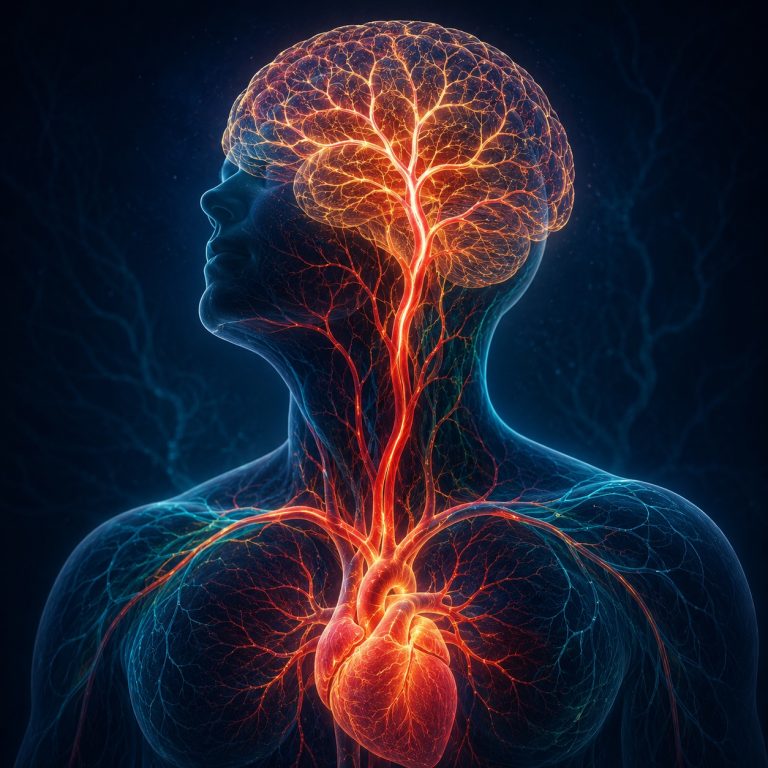
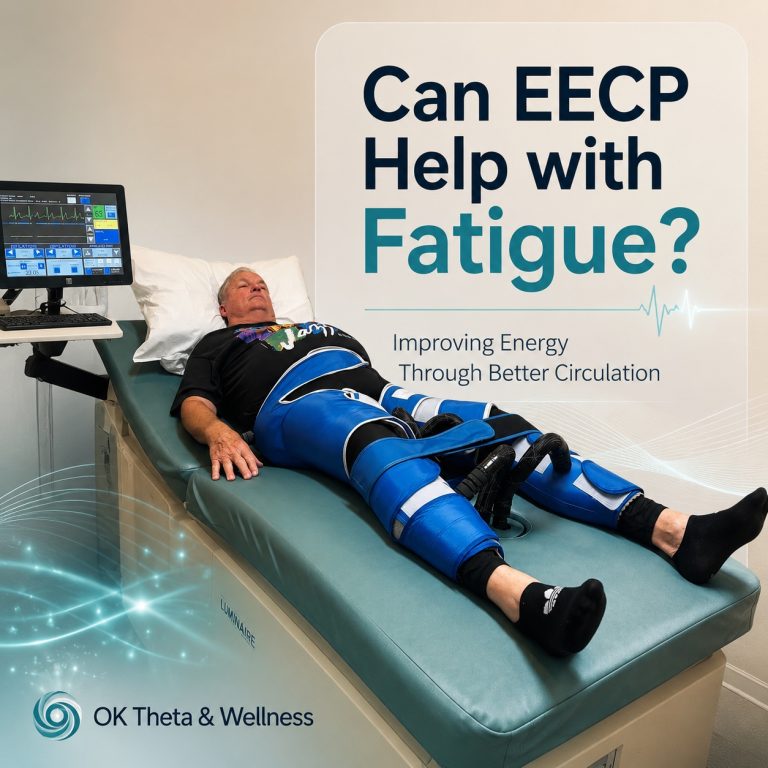
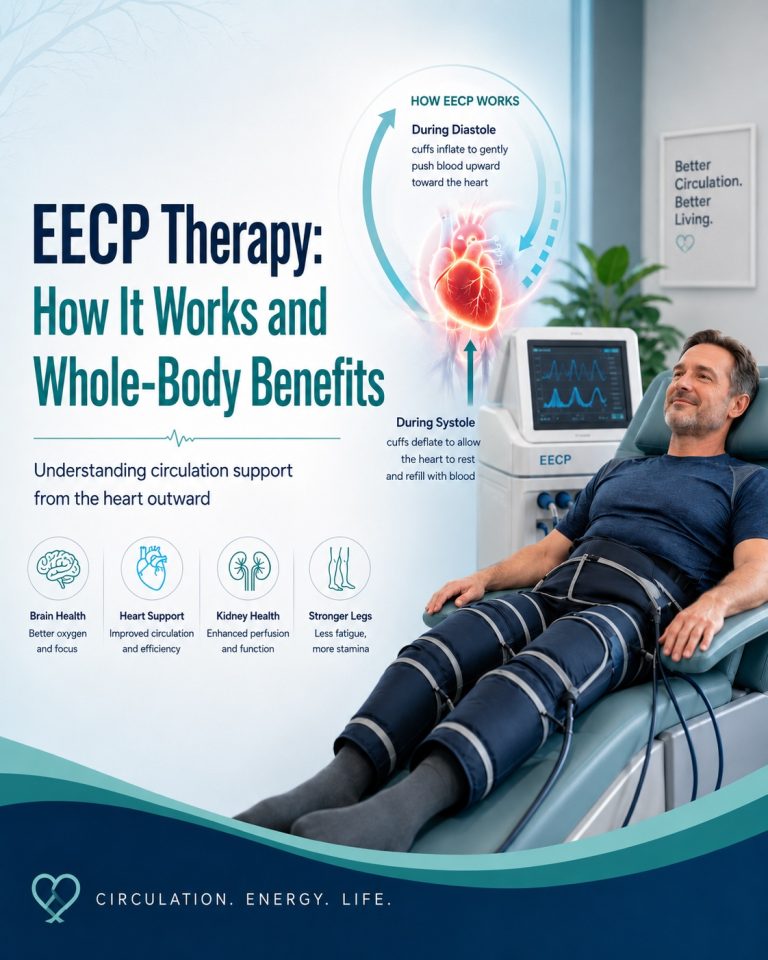
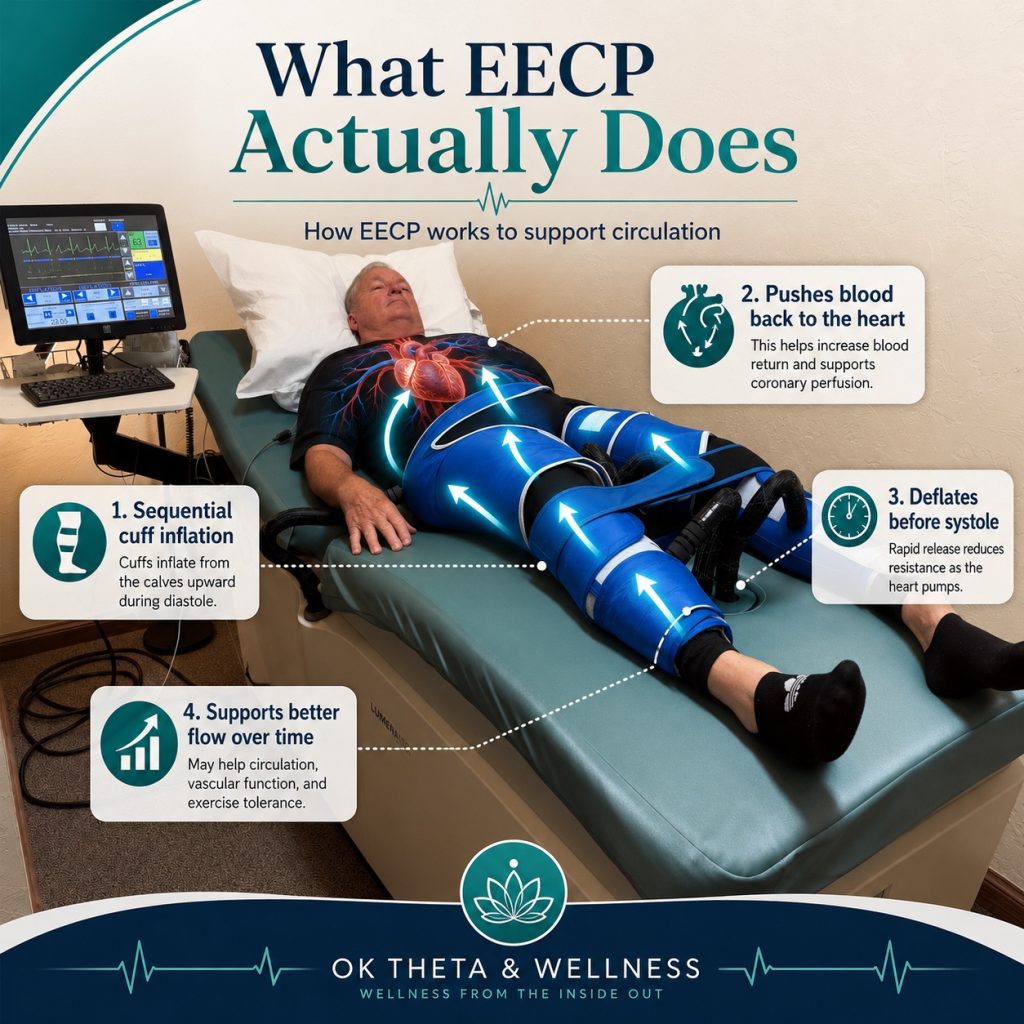
That is where EECP can be introduced as a form of circulation support. POTS is not just a heart-rate problem; it is often a gravity, circulation, vascular tone, and autonomic regulation problem. EECP uses timed external compression of the legs to help push blood back toward the heart during diastole, increasing central blood flow and creating vascular shear stress that may support endothelial function and nitric oxide signaling. The specific EECP literature in POTS and Long COVID is still early, but a published case report described successful management of Long-COVID-associated POTS after EECP and called for further trials. So the most grounded way to frame EECP is not as a stand-alone cure, but as a supportive circulation therapy that may complement hydration, compression, graded conditioning, and nervous system regulation, especially in patients whose symptoms reflect poor venous return, blood pooling, and impaired autonomic compensation. (PMC)
A Note on EECP Therapy
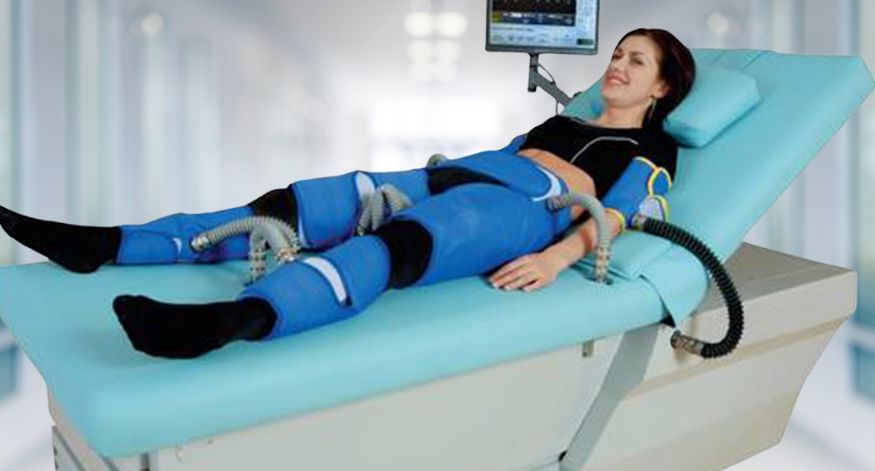
EECP is a non-invasive therapy designed to support circulation by rhythmically assisting blood flow through the body.
Recent literature is starting to connect POTS, Long COVID, dysautonomia, endothelial dysfunction, and impaired microvascular regulation into one overlapping physiologic story. A 2023 Nature Reviews Cardiology article describes cardiovascular autonomic dysfunction as a major feature of post-acute COVID syndrome and notes that POTS may occur in roughly 30% of highly symptomatic post-COVID patients, though prognosis and best treatment pathways remain unsettled. In plain language, Long COVID can leave the body struggling with the automatic “background software” that regulates heart rate, blood pressure, vascular tone, and blood flow when a person stands up. (Nature)
The EECP literature is still early, but it is interesting. A 2021 case report described successful use of EECP in a patient with Long-COVID-associated POTS after 15 one-hour sessions over three weeks, which helped open the door for further study. A 2022 retrospective Long COVID cohort found improvements after 15–35 EECP treatments in fatigue, functional capacity, six-minute walk distance, dyspnea, and cardiovascular symptom scores. In that study, PROMIS fatigue, Seattle Angina Questionnaire, Duke Activity Status Index, and six-minute walk distance all improved significantly, and all patients who had been unable to work before EECP were able to return afterward. That is not definitive proof, but it is a meaningful signal. (PubMed)
More recently, a 2024 matched-control observational study reported that Long COVID patients treated with EECP improved more than non-treated controls in fatigue, dyspnea, and functional capacity. The proposed mechanism fits the broader Long COVID vascular literature: EECP creates timed external compression that augments diastolic blood flow and increases pulsatile shear stress, which may support endothelial function, nitric oxide signaling, microvascular function, and inflammatory regulation. That matters because Long COVID is increasingly associated with endothelial and microvascular dysfunction, and POTS symptoms often behave like a circulation-and-autonomic-regulation problem rather than a simple “fast heart rate” problem. The honest bottom line: EECP for POTS and Long COVID is promising, mechanistically plausible, and supported by case reports plus observational data, but randomized controlled trials are still needed before we can call it established therapy. (MDPI)
POTS Support in Oklahoma City
Ready to see whether EECP is a fit for you?
At OK Theta & Wellness, we look at circulation as more than blood moving through pipes. It is oxygen delivery, nervous system support, vascular flexibility, energy, recovery, and resilience. EECP is a non-invasive therapy designed to support blood flow, improve vascular function, and help the body do what it is always trying to do: adapt, repair, and restore.
Whether you are dealing with fatigue, exercise intolerance, brain fog, circulation concerns, Long COVID symptoms, or simply want to better understand your vascular health, we would be honored to help you explore your options.
Schedule an EECP consultation with OK Theta & Wellness today and let’s find out if this therapy belongs in your recovery plan.