

Why B12 Matters: Energy Is the Beginning
Vitamin B12 is often talked about as an “energy vitamin.” That is not wrong, exactly, but it is incomplete. B12 does matter for energy, but not in the same way caffeine matters for energy. B12 is not a stimulant. It does not whip the nervous system into motion or force the body to perform. Instead, B12 supports some of the deeper biological systems that allow the body to make energy, maintain healthy nerves, produce red blood cells, support DNA synthesis, and participate in methylation chemistry.
Fatigue can absolutely be part of B12 deficiency. But B12 is also tied to nerve function, mood, cognition, blood health, balance, metabolism, and the body’s ability to repair and regulate itself. The National Institutes of Health describes vitamin B12 as necessary for central nervous system development and function, red blood cell formation, DNA synthesis, and healthy cellular metabolism. (Office of Dietary Supplements)
So yes, energy is part of the story. It is just not the whole book.
Spin into Wellness in Oklahoma’s First Theta Chamber!

B12 and Energy: Support, Not Stimulation
When people say they feel better after B12 therapy, they may describe more energy, clearer thinking, better stamina, or less heaviness. But the most grounded way to explain B12 is this: B12 helps the body do work it is already designed to do.
B12 participates in cellular metabolism. It also plays a role in red blood cell production. When B12 is low, the body may struggle to produce healthy red blood cells, and this can contribute to weakness, fatigue, shortness of breath, lightheadedness, or a general sense of being depleted.
This is different from taking a stimulant. A stimulant can push the body. B12 supports underlying physiology. A person who is truly B12 deficient may feel a meaningful difference when levels are corrected, whereas a person who already has healthy B12 levels may not feel a dramatic change. That is why B12 therapy should not be treated like a magic energy button. It is better understood as a supportive therapy, especially for people with risk factors, symptoms, or absorption issues.

B12 and the Nervous System
One of the most important reasons B12 matters is nerve health. B12 deficiency can cause neurologic symptoms, sometimes even before anemia is obvious. These may include numbness, tingling, burning sensations, balance problems, gait changes, weakness, memory changes, mood changes, or cognitive fog. The NIH lists neurological changes among the symptoms of B12 deficiency, along with fatigue, megaloblastic anemia, glossitis, palpitations, and low blood cell counts. (Office of Dietary Supplements)
This is one reason I think B12 deserves more respect than it gets. When someone complains of neuropathy symptoms, especially tingling or numbness in the feet or hands, it is easy to think only about diabetes, spine problems, nerve compression, or circulation. Those are all important considerations. But B12 status belongs in the conversation too.
The nervous system is not just electrical wiring. It is living tissue. It depends on nutrients, blood flow, mitochondrial function, inflammatory balance, and repair chemistry. B12 is part of that repair-and-maintenance world.

Who Is at Higher Risk for Low B12?
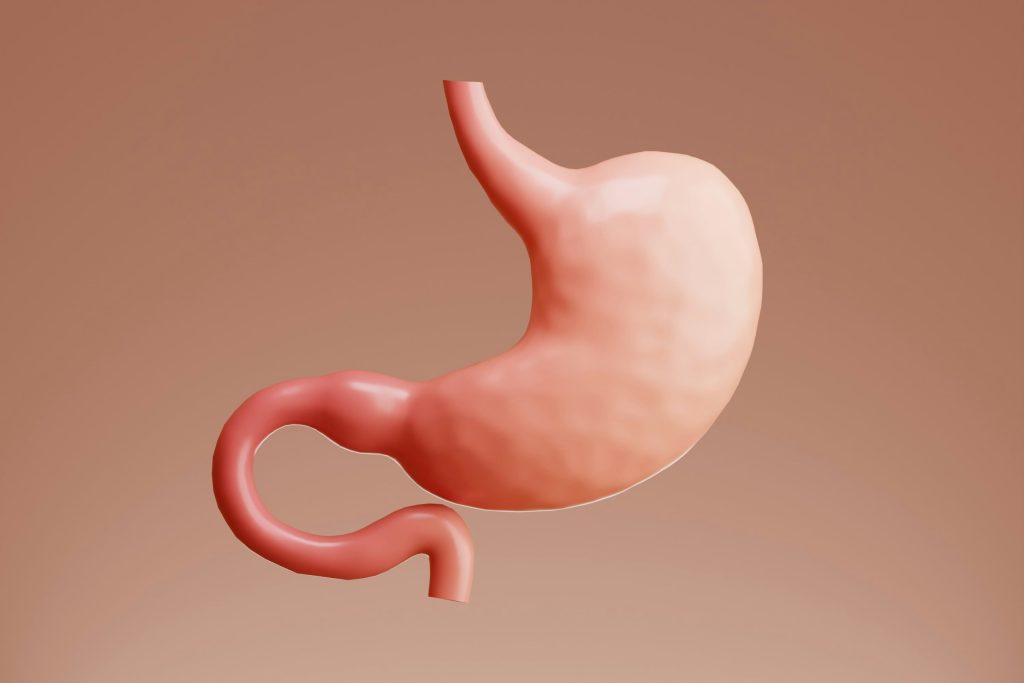
B12 deficiency is not limited to people who “eat poorly.” Some people can eat a reasonable diet and still struggle with B12 absorption. B12 absorption is a multi-step process involving stomach acid, binding proteins, intrinsic factor, the small intestine, and healthy digestive function. If any part of that process is impaired, B12 levels can fall over time.
Groups at higher risk include:
- Vegetarians and vegans, especially those who do not consistently consume fortified foods or supplements. B12 is naturally found in animal foods such as fish, meat, poultry, eggs, and dairy, while plant foods generally do not naturally contain B12 unless fortified. (Office of Dietary Supplements)
- Metformin. Long-term metformin use has been associated with reduced B12 levels, and the UK Medicines and Healthcare products Regulatory Agency has stated that decreased B12 is now considered a common side effect of metformin, especially with higher doses, longer treatment duration, and existing risk factors. (GOV.UK)
- Acid-blocking medications. Proton pump inhibitors and H2 blockers can reduce stomach acid, and stomach acid helps release B12 from food. A 2018 review noted clear evidence that proton pump inhibitors, H2 receptor antagonists, and metformin can reduce serum B12 concentrations. (PMC)
- Older adults. Aging can reduce stomach acid and affect digestion. Even if intake is adequate, absorption may not be.
- Gastric surgery or bariatric procedures. Surgery involving the stomach or small intestine can interfere with normal B12 absorption. The NIH includes gastrointestinal surgery among causes of B12 deficiency. (Office of Dietary Supplements)
- Pernicious anemia or intrinsic factor problems. Intrinsic factor is essential for B12 absorption. Without enough intrinsic factor, even a good diet may not be enough.
- Inflammatory or malabsorptive digestive conditions. Conditions affecting the stomach, ileum, pancreas, or overall digestive health can interfere with B12 uptake.
This is why the question is not just, “Do you get B12 in your diet?” The better question is, “Can your body absorb and use it?”
B12, Aging, and the Slow Drift Into Deficiency
B12 deficiency can develop slowly. That makes it easy to miss. The body does not always announce the problem with a siren. Sometimes it whispers: more fatigue than usual, less mental sharpness, strange tingling, lower mood, reduced stamina, or a sense that the nervous system is not quite as steady as it used to be.
In older adults, this can be especially tricky. Symptoms may be blamed on age, stress, sleep, medications, neuropathy, or “just getting older.” Sometimes those explanations are partly true. But sometimes B12 is part of the hidden machinery. This is why B12 is worth checking thoughtfully, especially in someone with fatigue, neuropathy symptoms, cognitive concerns, anemia, balance issues, metformin use, acid blocker use, or a history of gastric surgery.

B12 and Methylation
B12 also plays a major role in methylation. Methylation reactions help regulate processes involved in DNA synthesis, neurotransmitter metabolism, detoxification pathways, homocysteine metabolism, and cellular repair. B12 is required for the conversion of homocysteine to methionine. That matters because methionine helps form S-adenosylmethionine, which acts as a major methyl donor in the body.
Put more simply: B12 helps the body move chemical “tags” that are used in maintenance, repair, regulation, and metabolism. This does not mean everyone needs aggressive methylation support. It does mean B12 sits at a major intersection of energy, nerves, blood, and cellular regulation. When B12 is low, the effects can feel broad because the role of B12 is broad.
That is also why some people are interested in different forms of B12, such as methylcobalamin or hydroxocobalamin. Each form has its own clinical and practical considerations. The best choice depends on the patient, the goal, the route of administration, and the clinician’s judgment.

Why Use B12 Injections?
Oral B12 works well for many people, especially when absorption is intact or when high-dose oral supplementation is appropriate. But injections may be considered when absorption is impaired, symptoms are present, deficiency is known or suspected, or a more direct route is preferred.
The NIH notes that B12 can be administered parenterally, typically by intramuscular injection, and that this route is commonly used to treat deficiency caused by pernicious anemia and other malabsorption conditions. (Office of Dietary Supplements)
Intramuscular B12 bypasses several digestive steps. That can be useful for people who struggle with absorption due to gastric surgery, pernicious anemia, age-related stomach changes, long-term acid suppression, or other digestive factors.
Again, the point is not that injections are always better. The point is that route matters. Oral, sublingual, intranasal, and injectable B12 can all have a place. The right approach depends on the person standing in front of us, not just the nutrient on the label.

B12 Is Not a Cure-All
A grounded conversation about B12 should include humility. Fatigue is common. Brain fog is common. Neuropathy symptoms are common. B12 deficiency can contribute to these problems, but it is not the only cause. Sleep disorders, thyroid dysfunction, anemia from other causes, diabetes, chronic stress, depression, medication effects, inflammatory disease, nutritional insufficiency, poor circulation, and many other factors can play a role.
That is why B12 should be viewed as one piece of the puzzle. It may be a very important piece for some people. For others, it may be supportive but not central. For others, it may not be the missing piece at all. Good wellness care requires discernment. Not every symptom is a vitamin deficiency. Not every low-energy state needs a drip, shot, or supplement. But when B12 is low, poorly absorbed, or functionally inadequate, correcting it can be meaningful.

Final Thoughts
Vitamin B12 is one of those nutrients that deserves a deeper conversation. It is familiar enough that most people have heard of it, but important enough that we should not reduce it to a simple “energy shot.”
B12 plays a role in red blood cell formation, nerve function, DNA synthesis, methylation, and cellular metabolism. Deficiency can show up as fatigue, neuropathy symptoms, cognitive changes, mood changes, anemia, or a general sense that the body is not running cleanly. People at higher risk include vegetarians and vegans, older adults, people taking metformin, people using acid-blocking medications, and those with a history of gastric or intestinal surgery. Energy may be where the conversation starts. But with B12, it is definitely not where the conversation ends.
Interested in Personalized B12 and Nutrient Support?
Understanding why B12 matters is one thing. Deciding whether oral supplementation, an IM vitamin shot, or another supportive option makes sense for you requires a more individualized conversation.
Power-House Infusionz is an independently operated IV vitamin and hydration business located inside OK Theta & Wellness. Lupe, RN, reviews each client’s health history, symptoms, diet, medications, hydration habits, and wellness goals before B12, B-vitamin, hydration, or other nutrient-support options are discussed. Recommendations are made case by case with appropriate safety screening and authorized prescriber oversight.
Vitamin injections and IV nutrient support do not replace medical evaluation, laboratory testing, or treatment for a diagnosed deficiency. Anyone experiencing persistent fatigue, numbness, tingling, balance changes, anemia, or cognitive symptoms should discuss those concerns with an appropriate healthcare professional.