
Vagus Nerve Stimulation in Oklahoma City: Supporting Relaxation, Regulation, and Whole-Body Healing
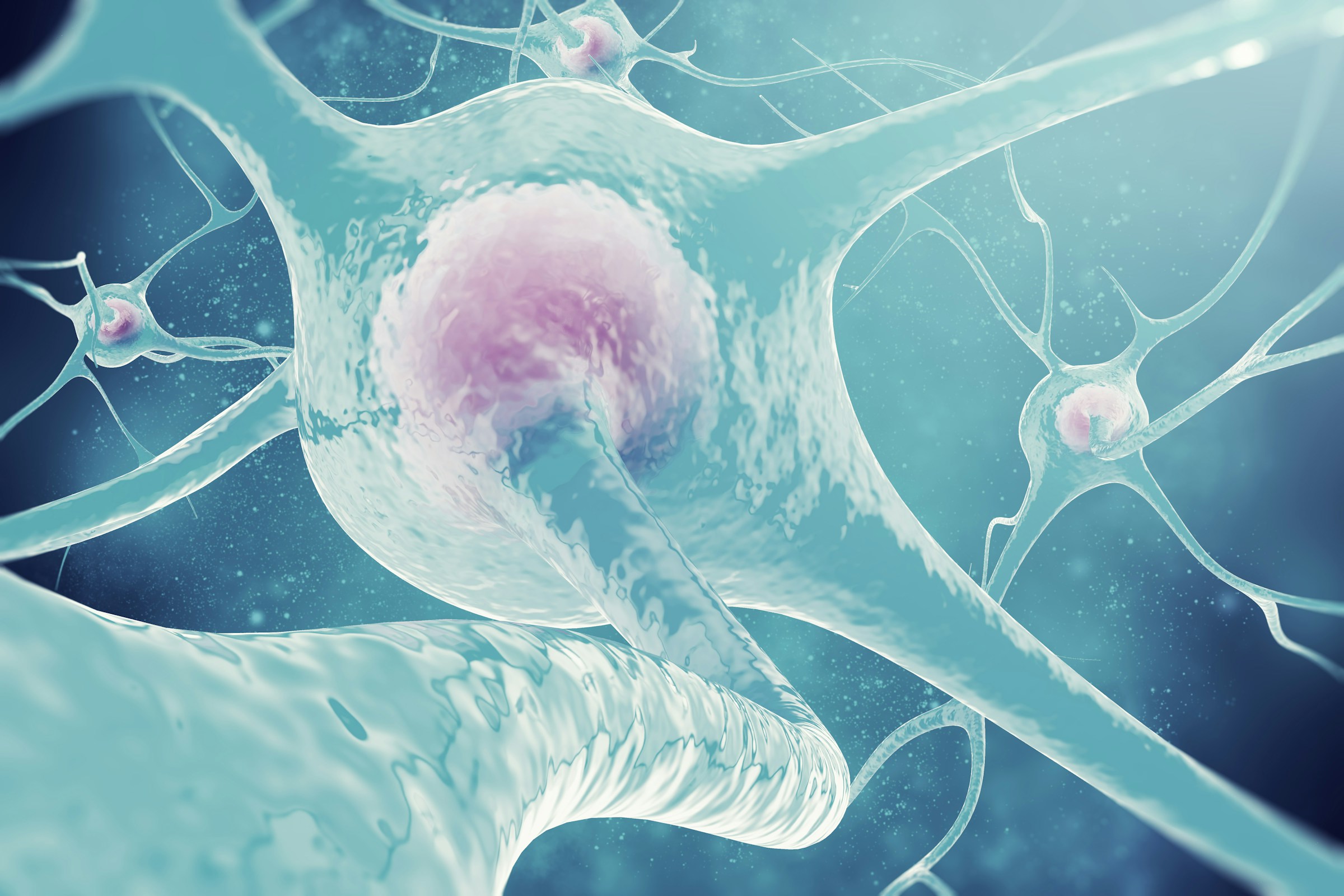
Most people think of the nervous system as something hidden away inside the brain and spinal cord. But in real life, the nervous system is not tucked away neatly like a textbook diagram. It is woven into everything. It affects the way we breathe, digest, heal, sleep, react, recover, tense, soften, and feel safe in our own body.
That is why we are so interested in vagus nerve stimulation in Oklahoma City at OK Theta & Wellness.
Our physical therapist, Amy Jackson, is currently offering a 6-week daily vagus nerve stimulation protocol using a non-invasive approach known as transcutaneous auricular vagus nerve stimulation, often abbreviated taVNS. In practical terms, this means gentle stimulation is delivered through the skin near the ear, where branches of the vagus nerve can be accessed without surgery or an implanted device.
This is not the same as implanted vagus nerve stimulation used in certain medical conditions. It is a non-invasive form of neuromodulation. The Dolphin Neurostim system uses an ear clip and a body return pad, allowing us to work with the body’s regulatory pathways in a gentle, accessible way. For many people, the experience is deeply relaxing. But the deeper story is not just relaxation. It is regulation.
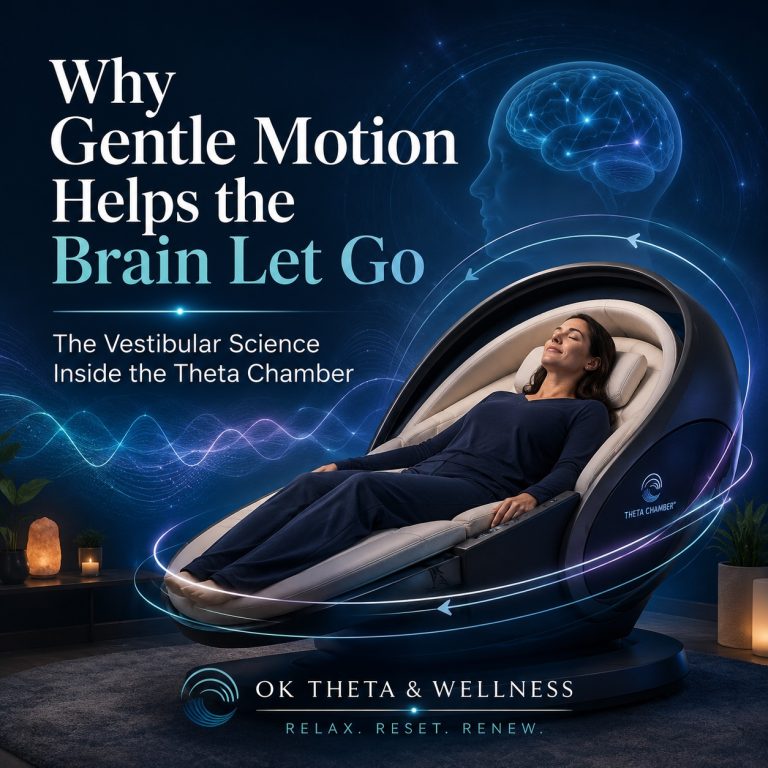
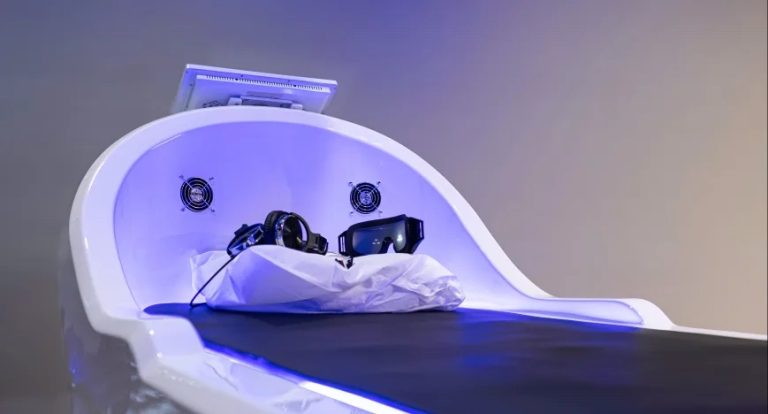
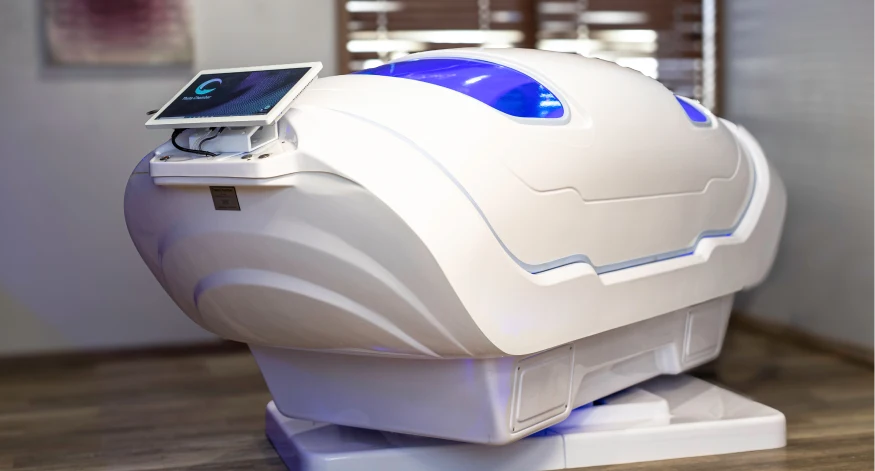
Spin into Wellness in Oklahoma’s First Theta Chamber!
Why the Vagus Nerve Matters
The vagus nerve is one of the most important nerves in the body. It helps connect the brain with the heart, lungs, digestive tract, and immune system. Cleveland Clinic describes the vagus nerves as carrying signals between the brain, heart, and digestive system, and notes that they contain a major portion of the body’s parasympathetic nerve fibers. The parasympathetic system is often described as the “rest and digest” side of the autonomic nervous system. (Cleveland Clinic)
That phrase, “rest and digest,” is simple, but it points to something profound. When the body is in a parasympathetic state, it is not just relaxed. It is in a better position to recover. Digestion improves. Heart rate can settle. Breath may deepen. Muscle tone can soften. The mind may feel less defended. The body starts to receive the message: we are not under attack right now.
For people living with chronic stress, pain, trauma patterns, inflammation, or nervous system dysregulation, that message can be hard to access on command. You cannot always think yourself into safety. Sometimes, the body needs a physical doorway. That is where vagus nerve stimulation becomes so interesting.

The Vagus Nerve as an Immune System Pathway
One of the most fascinating areas of vagus nerve research involves inflammation.
The vagus nerve is sometimes described as a major “innervation to the immune system,” but I would say it even more carefully: it is one of the primary communication highways between the nervous system and immune system. Through what researchers call the cholinergic anti-inflammatory pathway, vagal signaling can help regulate inflammatory activity in the body.
A 2025 review in Frontiers in Immunology describes the vagus nerve as a critical neuroimmune interface and explains that it helps suppress pro-inflammatory cytokine release through the cholinergic anti-inflammatory pathway. The same review notes that transcutaneous auricular vagus nerve stimulation has become an important area of study in anti-inflammatory therapeutics. (Frontiers)
This does not mean that taVNS is a magic off-switch for inflammation. Biology is never that tidy. A 2024 systematic review found that anti-inflammatory effects of VNS have been seen in individual studies, but that the evidence is not yet consistent enough to make sweeping claims across all patient populations. (ScienceDirect)
That is the honest lane. The research is promising with a mechanism that is plausible. The clinical use should be thoughtful. Around here, we like hope with boots on.

What the Therapy Feels Like
Many people describe the therapy as calming, settling, or quietly grounding. That makes sense. The vagus nerve is deeply tied to parasympathetic function, and taVNS has been studied for its effects on autonomic regulation, including heart rate variability and parasympathetic tone. Research reviews describe VNS and taVNS as approaches being investigated for inflammation, autonomic balance, and regulation of the nervous system. (PubMed)
In Amy’s 6-week protocol, this therapy is not being used as a stand-alone gimmick. It is being integrated with hands-on physical therapy principles, including craniosacral therapy and myofascial release. These two modalities belong in this conversation because they share a similar goal: helping the body come out of guarded patterns and back into a more fluid, regulated state.
The body is not a machine with one loose bolt. It is more like a field after a long dry spell. Sometimes it needs rain, shade, time, and softened ground before anything new can grow. Vagus nerve stimulation may help create that softened ground.

Trauma, the Body, and the Memory of Protection
One of the most important ideas in body-based therapy is that the body remembers.
That does not necessarily mean trauma is “stored” in the body like a file in a cabinet. The more grounded way to say it is this: difficult experiences can leave physiological patterns behind. The nervous system can learn protection. Muscles can learn guarding. Breath can become shallow. The gut can tighten, jaw can brace, and shoulders can rise. The body may continue carrying a protective response long after the original threat has passed.
Research on body memory explores how negative bodily experiences from the past may influence present behavior, perception, and physiology. (PMC) Somatic therapy research also recognizes trauma as something with psychophysiological consequences, not merely a thought pattern or memory narrative. (PMC) This is where vagus nerve stimulation, craniosacral therapy, and myofascial release can fit together beautifully.
The goal is not to force emotional release. It is not to dig into trauma before the body is ready. It is to help the system feel safe enough to unwind at its own pace. That distinction matters. A body that has been bracing for years does not need to be conquered. It needs to be listened to.

The Benefit of Entering a Parasympathetic State
A parasympathetic state is where repair becomes more available. When the sympathetic nervous system is dominant, the body is more oriented toward action: fight, flight, vigilance, performance, scanning, survival. That state is useful when there is an actual threat. But when it becomes chronic, it can become costly. Sleep may suffer. Digestion may struggle. Muscles may stay tight. Inflammation may increase. Pain sensitivity may rise. Emotional resilience may thin out.
The parasympathetic state does not make life’s problems disappear. But it changes the internal terrain. Breath slows, the body softens, and the mind has more room. Better regulation may occur in the immune system. The gut may function more efficiently. A quieter rhythm may occur in the heart and lungs. The person can begin to feel less trapped inside a threat response.
That is one reason this work can be so powerful for people who feel chronically wound up, depleted, guarded, inflamed, or disconnected from their body. Sometimes healing begins when the nervous system finally stops shouting.

Why Combine VNS With Craniosacral Therapy and Myofascial Release?
Amy’s approach is especially interesting because she is not just applying stimulation and walking away. She is combining non-invasive vagus nerve stimulation with therapeutic touch and body-based work. Craniosacral therapy is gentle, subtle work aimed at supporting relaxation, tissue mobility, and nervous system settling. Myofascial release focuses more on the connective tissue system, where tension, restriction, and protective holding patterns can accumulate.
Vagus nerve stimulation can help shift the nervous system toward a more receptive state. Craniosacral therapy and myofascial release may then meet the body in that state, helping it release tension and reorganize more naturally. In plain language: the stimulation can help open the gate, while the hands-on work helps the body walk through it. That is the kind of layered therapy we appreciate at OK Theta & Wellness. Not one tool pretending to be everything. Several tools, speaking to the same system from different angles.

Who Might Be Interested in This Protocol?
This 6-week daily protocol may be worth exploring for people interested in supporting:
- Nervous system regulation
- Deep relaxation
- Stress recovery
- Parasympathetic activation
- Inflammatory balance
- Body-based trauma recovery
- Muscle tension patterns
- Mind-body reconnection
- General resilience and recovery
As always, this should be individualized. People with implanted electrical devices, certain cardiac conditions, seizure history, pregnancy, or complex medical conditions should be screened carefully before electrical stimulation therapies. The right question is not “Is this good for everyone?” The better question is, “Is this appropriate for this person, at this time, with this history?” That is why having this work guided by a physical therapist matters.

Vagus Nerve Stimulation in Oklahoma City at OK Theta & Wellness
At OK Theta & Wellness, our interest in vagus nerve stimulation comes from a broader belief: the body heals better when the nervous system is not constantly stuck in defense.
Amy Jackson’s 6-week daily protocol brings together non-invasive transcutaneous auricular vagus nerve stimulation, craniosacral therapy, and myofascial release to support relaxation, regulation, and whole-body recovery. This is not about chasing a wellness trend. It is about working with one of the body’s deepest regulatory pathways.
The vagus nerve touches the conversation between brain, body, immune system, breath, digestion, and emotional safety. When we support that system, we are not simply trying to make someone feel calm for an hour. We are trying to help the body remember a state it may not have visited in a long time.
Revitalize Your Mind, Renew Your Body